The Polish market for Enterprise Mobility Management (EMM) and Mobile Device Management (MDM) solutions is experiencing a period of dynamic growth. The main driving forces are the advancing digital transformation, the popularization of remote and hybrid work models, growing awareness of cybersecurity threats, and the necessity to ensure compliance with regulations, particularly the General Data Protection Regulation (GDPR). The market is characterized by the dominance of global technology leaders such as Microsoft, Omnissa (formerly VMware EUC), Ivanti, and Jamf (in the Apple device segment). A significant role is also played by Samsung with its Knox ecosystem, offering advanced management and security functions, especially for its own devices. At the same time, a strong position, especially in specific segments, is being built by vendors with Polish roots, such as Proget, and companies with a strong regional presence and an extensive partner network, like Techstep (formerly FAMOC).
A clear trend of evolution is observed from basic Mobile Device Management (MDM) towards more comprehensive Enterprise Mobility Management (EMM), and ultimately to Unified Endpoint Management (UEM), covering also desktop computers, laptops, and even IoT devices. However, the pace of this evolution varies depending on the market segment. Large enterprises most often implement advanced UEM platforms, while Small and Medium-sized Enterprises (SMEs) and part of the public sector may still focus on basic MDM/EMM functions, driven mainly by security needs and cost optimization.
Key trends shaping the Polish EMM/MDM/UEM market include:
Growing adoption across all segments: although the pace and main motivations differ, SMEs, large companies, and the public sector increasingly recognize the need to implement device fleet management solutions.
Progressing consolidation of management (UEM): the drive to manage diverse endpoints from a single, integrated platform is becoming increasingly common, especially in large organizations.
Security and compliance as priorities: cybersecurity issues and GDPR compliance are key factors in selecting and implementing EMM/MDM systems.
Crucial role of implementation partners: local partners play a significant role in delivering, implementing, and supporting solutions, particularly for SMEs and the public sector, which often lack sufficient internal resources.
Segmentation of preferences: the choice of platform, licensing model (subscription vs. perpetual license, per user vs. per device), and deployment preferences (cloud vs. on-premise) differ significantly depending on the size and specificity of the organization.
Main challenges facing Polish organizations in the context of EMM/MDM include effective management of Total Cost of Ownership (TCO), ensuring a high level of security (especially in the popular Bring Your Own Device – BYOD model), complex integration with existing IT infrastructure, and finding a balance between security requirements and a positive Digital Employee Experience (DEX).
It is recommended that Polish organizations, regardless of segment, approach the selection and implementation of EMM/MDM/UEM strategically. Key steps include accurately defining business needs and security requirements, conducting a TCO analysis considering all costs, assessing integration possibilities with the existing IT ecosystem, and choosing the vendor and licensing model that best suits the organization’s specificity. Particular attention should be paid to aspects related to GDPR and ensuring employee privacy, especially in BYOD scenarios. Cooperation with an experienced implementation partner can significantly facilitate the implementation process and ensure project success.
2. Introduction to the EMM/MDM/UEM market in Poland
Managing mobile devices and endpoints has become a key element of IT strategy for modern organizations. Technological evolution and changing work models have forced the development of tools enabling control, security, and effective use of corporate and private device fleets used for business purposes. Understanding the terminology and significance of these solutions is fundamental for making informed decisions.
The basic concept is Mobile Device Management (MDM), which historically referred to software and processes used to manage and secure mobile devices themselves, such as smartphones and tablets. MDM functionality focuses on device configuration, enforcing security policies (e.g., enforcing passwords, encryption), remote locking or wiping of data, and hardware inventory.
As enterprise mobility became more complex, the concept of Enterprise Mobility Management (EMM) emerged. EMM is an extension of MDM, covering not only device management but also Mobile Application Management (MAM), Mobile Content Management (MCM), and Identity and Access Management (IAM). EMM allows for more granular control, e.g., securing data within specific corporate apps without needing full management of the entire device, which is particularly important in BYOD scenarios.
The latest stage of evolution is Unified Endpoint Management (UEM). UEM platforms integrate MDM and EMM functionalities, extending them to manage traditional endpoints such as desktop computers (Windows, macOS, Linux) and Internet of Things (IoT) devices, all from a single, central console. UEM aims to provide consistent management and security for the entire device ecosystem in an organization. Although the terms MDM, EMM, and UEM are sometimes used interchangeably, UEM represents the most comprehensive and future-proof approach to IT infrastructure management.
The strategic importance of EMM/MDM/UEM for Polish organizations stems from several key trends and challenges:
Ubiquity of mobile devices: globally, it is projected that the number of mobile devices will reach 18.22 billion by 2025. In Poland, according to data from the Digital 2024 Poland report, the number of active mobile connections was 53.7 million. A study by the National Media Institute from the end of 2022 indicated that 75.8% of Poles use a smartphone, and in the working group, this percentage reached as high as 92.9%. A Pracuj.pl study from 2021 showed that over 3/4 of Poles use a smartphone for professional purposes at least once a week. Moreover, phones account for as much as 60% of devices accessing corporate resources. This ubiquity of mobile devices in the work environment creates a huge attack surface and a necessity to secure it.
Remote and hybrid work: the COVID-19 pandemic accelerated the adoption of flexible work models, which have become the new norm for many organizations. Managing and securing devices used outside the traditional office has become a priority for IT departments.
Cybersecurity: cyber threats are constantly evolving. In Poland, a significant increase in the number of weekly attacks has been recorded since the beginning of 2024. Mobile devices are frequent targets of malware, phishing, and other social engineering techniques. Loss or theft of an unsecured device can lead to catastrophic data leakage.
GDPR Compliance: The General Data Protection Regulation (GDPR) imposes strict requirements on organizations regarding the protection of personal data, including data processed on mobile devices. Violations can result in high financial penalties and loss of reputation. EMM/MDM systems provide technical tools supporting GDPR compliance.
IT management and cost optimization: managing a growing number of diverse devices is becoming increasingly complex and time-consuming for IT departments. EMM/MDM/UEM solutions allow for centralization of management, automation of tasks (e.g., application deployment, configuration, updates), and potential reduction of operational costs.
High penetration of smartphones among working Poles, combined with the fact that they often constitute the main access point to corporate resources, creates not only a technological trend but a fundamental strategic challenge for the security of Polish companies, regardless of their size. Every unsecured mobile device, especially in the context of remote work or the BYOD model, becomes a potential entry point for cybercriminals, which can lead to the compromise of corporate data, violation of GDPR compliance, and serious financial and reputational losses. Therefore, effective management of these devices using EMM/MDM/UEM systems ceases to be an option and becomes a strategic necessity for ensuring business continuity and protecting the enterprise’s information assets.
The evolution from MDM, through EMM, to UEM is not just a technological progression but a reflection of the growing complexity of modern IT environments and the need to adopt a holistic approach to security and management of all endpoints. For Polish organizations, this means a necessity for strategic assessment of whether their current tools (if they exist at all) are adequate to the scale of challenges, or if investment in more comprehensive UEM platforms is necessary. Such a decision inevitably involves an analysis of Total Cost of Ownership (TCO) and potential challenges related to implementation and integration, which may constitute a particular barrier for SMEs with limited financial and technical resources. Choosing the right solution requires balancing functional needs, security requirements, budget capabilities, and organizational capacity to implement and maintain the system.
3. Landscape of the Polish EMM/MDM market
3.1. Identification of key players
The Polish EMM/MDM/UEM market is dominated by leading global vendors who offer their solutions through local partners or directly. The most important players include:
Microsoft: with the Intune platform, part of the broader Microsoft Endpoint Manager (MEM) and Microsoft 365 ecosystem.
Omnissa (formerly VMware EUC): offering the Workspace ONE UEM platform, continuing VMware’s legacy in endpoint management and virtualization.
Ivanti: provider of the Ivanti Neurons for UEM platform, formed inter alia from the merger of MobileIron and Pulse Secure solutions.
Jamf: leader in managing the Apple ecosystem devices (macOS, iOS, iPadOS, tvOS) using the Jamf Pro platform. Although Jamf Pro focuses on MDM/UEM for the Apple ecosystem (direct MDM support for Android has been discontinued), the company has expanded its portfolio with multi-platform security solutions (e.g., Jamf Protect, Jamf Connect, Jamf Executive Threat Protection), which also offer protection for devices running Android and Windows, often integrating with other UEM systems managing these devices.
SOTI: known for the SOTI MobiControl platform, often chosen in sectors requiring management of specialized and rugged devices, e.g., in logistics or manufacturing.
Samsung: global device manufacturer, offering its own Knox ecosystem, including the Knox Manage solution (EMM/MDM) and the Knox Platform for Enterprise security platform, deeply integrated with its own Galaxy series devices.
Motorola / Lenovo Connect: offers the ThinkShield for Mobile platform for its devices, including the business smartphone ThinkPhone. Management can be done using the comprehensive UEM platform ThinkUEM, developed by a Lenovo subsidiary – Lenovo Connect, or using the simpler, economical solution Moto Device Manager, aimed mainly at small and medium-sized enterprises (SMEs). This offer is based on synergy within the Lenovo group, combining hardware (Motorola, Lenovo) with software and the ThinkShield security brand.
ManageEngine: part of Zoho Corp., offering the Endpoint Central platform (formerly Desktop Central) as a comprehensive UEM solution.
Other global players: other providers are also present on the market, such as Google (with Google Workspace Endpoint Management ), Sophos, Matrix42, Hexnode.
Alongside global giants, companies that are local or have a strong regional presence play a significant role in the Polish market:
Proget: Polish manufacturer of the Proget EMM/MDM system based in Bielsko-Biała. The company boasts over 12 years of experience, ISO 27001 certification, and technological partnerships with key device manufacturers (Samsung Gold Partner, Huawei, Apple). The Proget solution is actively promoted in the public and private sectors, and the company cooperates with numerous Polish partners and the operator Plus.
Techstep (formerly FAMOC): a company originating from Poland (office in Gdańsk), offering the Essentials MDM solution (formerly known as FAMOC). Techstep has a global reach, managing over 2 million devices, has 18 years of experience, and holds the Samsung Knox Partner status. It is also recognized by Gartner analysts. In Poland, it cooperates inter alia with operators Plus, T-Mobile, and Orange, and distributor VERSIM.
Other providers with a Polish offer: other players are also noticeable on the market, adapting their offer to the Polish client, e.g., Scalefusion (Indian company ProMobi Technologies with a Polish-language website and blog) and AppTec (Swiss provider with a Polish version of the website and a free on-premise plan for up to 25 devices).
Extremely important role in the EMM/MDM ecosystem in Poland is played by implementation partners, distributors, and integrators. They provide not only licenses but primarily expert knowledge, implementation services, configuration, integration with other systems, and technical support, often in Polish.
Key partners include:
Distributors and integrators with a broad portfolio: companies such as Stovaris (partner of e.g. Matrix42), VERSIM (partner of Techstep), Greeneris (partner of Microsoft , Omnissa), SoftwareONE (partner of Omnissa/VMware), Nomios (partner of Ivanti), Comarch (offering its own MDM solution in the context of master data management), Xcomp.
Telecom operators: Plus, T-Mobile and Orange actively offer EMM/MDM services to their business clients, often cooperating with providers such as Proget or Techstep.
Specialized implementation partners: companies focusing on implementation services and support for specific platforms or market segments, e.g., EMS Partner (partner of Omnissa), Arkanet (partner of Proget , Techstep), ChangePro (partner of Techstep), ITBiotic (partner of Proget), MCX (partner of Proget), Miecz Net (partner of Proget), Net Complex (partner of Proget), Outsourcing24 (Certified Partner of Proget), PCSecure (partner of Proget), Servcomp (Authorized Partner of Proget), Sebitu, KSC IT.
Global partner finders: vendors such as Microsoft , Ivanti , Jamf , Omnissa or SOTI provide global partner directories enabling the search for companies operating in Poland.
3.2. Estimated market share and number of managed devices
Precisely determining the percentage market share of individual EMM/MDM providers in Poland, especially broken down into SME, large enterprise, and public sector segments, is impossible due to the lack of publicly available, reliable data for the Polish market. Global analytical reports prepared by firms such as Gartner, Forrester or IDC indicate strong positions for Microsoft, Omnissa (VMware), Ivanti, and Jamf (in the Apple ecosystem area) on global markets. It can be assumed with a high degree of probability that these trends are also reflected in Poland, particularly in the large enterprise segment, which often adopts global standards and IT solutions.
Estimates regarding the market position of individual players in Poland, based on an analysis of indirect indicators (such as product offering, partner presence, available case studies, integration with popular platforms), are as follows:
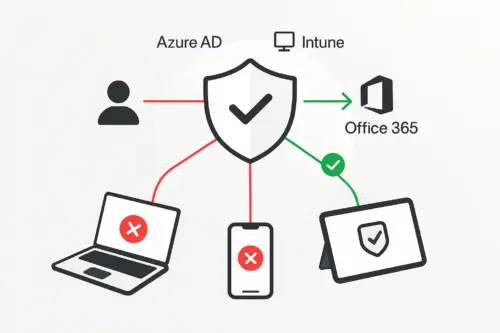
Microsoft Intune: likely the market leader, especially in large companies and public organizations that already intensively use the Microsoft 365 and Azure Active Directory ecosystem. Deep integration with these services, especially regarding Conditional Access, is a key asset. A wide network of partners in Poland further strengthens its position.
Omnissa Workspace ONE: maintains a strong position, especially in large corporations, often as a natural continuation of earlier investments in VMware technologies. The platform is valued for advanced UEM capabilities and support for diverse scenarios. It has dedicated partners in Poland.
Jamf Pro: undeniable leader in the Apple device management segment. The growing popularity of macOS and iOS in Polish companies (especially in creative, technological, and educational sectors, and among management) translates into the growing importance of Jamf. The company has partners operating on the Polish market.
Ivanti Neurons for UEM: a significant player in the UEM market, offering broad management and security capabilities, including for mobile and desktop devices. Presence in Poland is supported by partners. Recent issues related to vulnerabilities in their VPN products might have influenced brand perception.
Samsung Knox / Knox Manage: a very strong player in the Samsung device ecosystem, offering advanced security and management functions integrated with hardware. Likely dominates where device fleets consist mainly of Samsung Galaxy models, which may concern various segments including SMEs, large companies (e.g., for field workers), and the public sector. Has partners in Poland, including mobile operators and integrators.
Motorola / Lenovo Connect (ThinkUEM / Moto Device Manager / ThinkShield): global presence of ThinkUEM as a UEM platform is less visible than market leaders. In Poland, despite the presence of Motorola and Lenovo as hardware suppliers, adoption of ThinkUEM as the main management platform is likely limited and concentrated mainly on clients already invested in the Lenovo/Motorola ecosystem or looking for specific integrations (e.g., ThinkPhone with ThinkPad) or more price-competitive alternatives. Moto Device Manager, as a simpler and cheaper solution , may have greater penetration in the SME segment, however, its share in the entire EMM/MDM market in Poland is also likely small compared to dominant players. The combined share of Motorola/Lenovo solutions in the Polish UEM/MDM market is difficult to estimate but presumably small.
Proget: as a Polish manufacturer, has strong arguments to gain significant market share, particularly in the public sector (where preferences for domestic solutions and local support can be decisive ) and in the SME segment (thanks to a competitive price offer). Active cooperation with the operator Plus and an extensive partner network are significant growth factors.
Techstep Essentials MDM (FAMOC): long-standing presence on the Polish market (as FAMOC) and partnerships with key operators (Plus, T-Mobile, Orange) and distributors suggest an established position, likely stronger in the SME segment and among business clients of mobile operators.
SOTI MobiControl: a recognized provider, particularly strong in industries using specialized and rugged mobile devices, such as data terminals, barcode scanners, or rugged tablets (logistics, transport, manufacturing, retail). The case study of Rosti, possessing a global IT support center in Poland and using SOTI MobiControl, confirms active market presence.
Estimated number of managed devices: there is no official, public data regarding the total number of mobile devices (smartphones, tablets, laptops) managed by EMM/MDM systems in Poland. Global numbers are impressive – e.g., Techstep manages over 2 million devices, Jamf over 31 million Apple devices, and Tanium over 32 million endpoints. Extrapolating this data to the Polish market is subject to a large margin of error. However, considering the scale of the Polish economy, the number of enterprises, and the number of workers using mobile devices, it can be cautiously estimated that the number of professionally managed devices in Polish companies and public institutions is counted in at least hundreds of thousands, and potentially may exceed a million. Exact distribution of this number by vendors or market segments is impossible to determine without dedicated market research.
Dominance of global players, especially Microsoft, in the large enterprise segment seems highly probable. This results from the synergy effect within existing IT ecosystems (e.g., Microsoft 365) and frequently applied global framework agreements. However, local providers such as Proget and Techstep possess significant assets that allow them to compete effectively, particularly in SME and public segments. Contributing factors here are often more competitive prices, availability of technical support in Polish and potential preferences for domestic solutions, especially in public institutions. Small and Medium-sized Enterprises, being more cost-sensitive and often looking for simpler solutions, may perceive the offer of local players as more tailored to their needs and capabilities.
Lack of precise, publicly available data regarding market shares and the number of managed devices in Poland, especially broken down into SME, large company, and public sector segments, constitutes a significant information barrier for organizations planning EMM/MDM implementation, as well as for vendors and partners analyzing the market. Strategic decisions, such as platform selection, marketing resource allocation, or investment planning, must be based on estimates, extrapolation of global or regional data, and in-depth analysis of individual vendors’ and their partners’ offers. This increases risk and uncertainty of undertaken actions. At the same time, this information gap creates a potential market niche for research firms specializing in the Polish IT sector, which could provide reliable and detailed data on this dynamically developing market segment.
3.3. Estimation methodology and sources used
It should be emphasized that the estimates regarding market shares and number of managed devices presented in this analysis are approximate. They were developed based on an examination of indirect qualitative and quantitative indicators, due to the lack of publicly available, detailed statistical data for the Polish EMM/MDM market.
The basis for formulating conclusions were the following types of sources:
Global analytical firm reports: analyses and rankings published by renowned research firms such as Gartner (e.g., Magic Quadrant for UEM, Magic Quadrant for DEX, Magic Quadrant for EPP) , Forrester (e.g., Forrester Wave™: End-User Experience Management) and IDC (e.g., MarketScape for UEM, MarketScape for UEM for SMBs, MarketScape for UEM for Apple Devices). These reports, despite global or regional coverage, indicate the position and strategy of key players who are also active in Poland.
Information from manufacturers and partners: data published on websites of EMM/MDM software vendors and their implementation partners and distributors operating in Poland. They cover product descriptions, functionalities, partnership information, partner programs, and sometimes also numerical data regarding the scale of operations (e.g., number of managed devices globally).
Available Case Studies: publicly available descriptions of EMM/MDM system implementations in Polish or international companies with operations in Poland. They provide information on platforms used, benefits achieved, and implementation specifics in particular industries.
General reports on the Polish IT and telecom market: publications such as Computerworld TOP200 or PMR reports provide general context regarding the size and dynamics of the Polish ICT market, main players, and IT spending in individual sectors.
Mobile device usage data: statistics regarding smartphone and tablet penetration in Poland and their use for professional purposes.
Conclusions regarding market shares and device numbers were formulated through a synthesis of information from the above sources, identification of key players, assessment of their market strength (through the prism of offer, partnerships, presence in global rankings), and an attempt to assign them a probable position in individual market segments (SME, large companies, public sector). However, it must be emphasized again that these are estimates subject to uncertainty resulting from the lack of direct market data for Poland.
Table 1: Estimated EMM/MDM market share in Poland by vendor and segment (2024) – qualitative assessment
Vendor
SME
Large Enterprises
Public Sector
Key estimate rationale (examples)
Microsoft Intune
Strong player
Leader
Leader
Dominance of M365/Azure ecosystem in large companies and administration. Attractive licensing packages in corporate agreements. Wide partner network.
Omnissa Workspace ONE
Niche player
Leader
Strong player
Strong historical position of VMware in corporations.Advanced UEM functions. Partners in Poland. Higher price may be a barrier for SMEs.
Jamf Pro
Niche player
Strong player (Apple)
Niche player (Apple)
Leader in Apple device management. Growing popularity of macOS/iOS in companies and some institutions (education). Focus on Apple limits overall share.
Ivanti Neurons for UEM
Niche player
Strong player
Strong player
Broad UEM platform resulting from acquisitions (e.g., MobileIron). Partner presence in Poland. May be perceived as more complex for SMEs.
Samsung Knox Manage
Strong player
Strong player
Strong player
Deep integration with popular Samsung Galaxy devices. Strong security functions (Knox Platform). Partnerships with operators and integrators. Attractive where Samsung hardware dominates.
Motorola ThinkUEM / Moto Device Manager
Niche player
Niche player
Niche player
Lack of precise market share data for Poland. Combined share of Motorola/Lenovo solutions in Polish UEM/MDM market is difficult to estimate but presumably small. Expected growth in coming years – estimate based on amount of marketing activities / potential collaborations with Polish partners.
Proget
Strong player
Niche player
Strong player / Leader?
Polish manufacturer, competitive price, support in Polish. Activity in the public sector and cooperation with partners and operator Plus. May be perceived as less globally recognized in large corporations.
Techstep Essentials MDM
Strong player
Niche player
Niche player
Long-standing market presence (as FAMOC). Partnerships with operators (Plus, T-Mobile, Orange). Potentially price-attractive for SMEs. Lower brand recognition of Techstep compared to global leaders.
SOTI MobiControl
Niche player
Niche player (rugged niche)
Niche player (rugged niche)
Specialization in managing rugged and specialized devices. Strong position in logistics, manufacturing, retail. Less popular in typical office applications.
Others (e.g. Matrix42, Hexnode, ManageEngine)
Niche players
Niche players
Niche players
Offer competitive solutions, often with good price-to-performance ratio. May gain clients in specific niches or price segments. Lower overall recognition and partner network in Poland compared to leaders.
Note: the table above presents qualitative estimates based on available information and indirect analysis. Actual market shares may vary.
4. Detailed analysis of leading EMM/MDM solutions available in Poland
Below is a detailed analysis of selected leading EMM/MDM/UEM platforms available on the Polish market, covering key aspects of their offering.
4.1. Microsoft Intune
4.1.1. Offered products / platforms: the main product is Microsoft Intune, which is an integral part of the broader Microsoft Endpoint Manager (MEM) platform. Intune is often offered as a component of popular Microsoft 365 packages, such as E3, E5, F3 (for frontline workers), or Business Premium (for SMEs). It is also available as a standalone product under various licensing plans: Intune Plan 1, Intune Plan 2, and Intune Suite, which offer gradually expanded functionality.
4.1.2. Key functionalities: Intune delivers a comprehensive set of tools for Unified Endpoint Management (UEM), covering a broad spectrum of operating systems: Windows, macOS, iOS, Android, and Linux. Key capabilities include:
Security policy enforcement: enforcing passwords, disk encryption (BitLocker, FileVault), OS update control.
Application management (MAM): remote application deployment (from public stores, corporate, LOB), app configuration, app data protection (App Protection Policies – MAM without device enrollment), license management.
Content management: secure distribution of documents and corporate data.
Support for various deployment models: full support for Bring Your Own Device (BYOD), Corporate Owned, Personally Enabled (COPE), and Corporate Owned, Business Only (COBO) scenarios.
Conditional Access: tight integration with Microsoft Entra ID (Azure AD) enabling definition of access rules to corporate resources based on device status, location, user, and risk.
Security: integration with Microsoft Defender for Endpoint for advanced threat protection , Attack Disruption functions.
Automation: Use of tools like Windows Autopilot for automatic deployment and configuration of new Windows devices.
Remote Help:Remote Help function (requires additional license or Suite plan) enabling remote user support.
Integration with Jamf: possibility of integration with Jamf Pro for co-management of macOS devices.
Artificial Intelligence: use of Microsoft Copilot for Security for threat analysis and improving security team operations.
4.1.3. Sales models, licensing, and pricing structure: Microsoft Intune is based on a subscription model, with monthly or annual billing. Licensing is available in two main variants: per user (for Plan 1, Plan 2, and Suite) or per device (for Plan 1 Device). The „per device” model is beneficial in scenarios where one device is used by multiple users (e.g., shared devices, kiosks). Prices are publicly available from Polish Microsoft partners under the Cloud Solution Provider (CSP) program and New Commerce Experience (NCE) model. Sample estimated net prices (may vary depending on partner and exchange rate):
Intune Plan 1: approx. 347 – 409 PLN annually per user (approx. €8-10/user/month).
Intune Plan 1 Device: approx. 14.64 PLN monthly per device (approx. €3.40/device/month).
Intune Plan 2: approx. 20.13 PLN monthly per user (approx. €4.70/user/month – adds e.g. management of specialized devices, Tunnel for Mobile App Management).
Intune Suite: approx. 52.47 PLN monthly per user or 433.37 PLN annually (approx. €12/user/month – includes all Plan 1 and 2 functions plus additional ones like Remote Help, Endpoint Privilege Management, Advanced Endpoint Analytics). Microsoft also offers special pricing for the education sector (Academic) and government (Government), which are usually lower than commercial prices, but details require direct contact with a partner or Microsoft. There is no information about specific pricing packages dedicated exclusively to the Polish market. A monthly free trial period is also available for up to 25 users.
4.1.4. Options and quality of technical support: standard technical support is typically included in the Microsoft 365 or Intune subscription. Customers can also purchase extended support plans, such as Microsoft Unified Support, offering faster response times and dedicated resources. Technical support is available globally, and help can also be obtained in Polish, both through an extensive network of Polish Microsoft partners and potentially directly from Microsoft, depending on the support plan held. Support quality is generally rated as good, though experiences may vary depending on problem complexity and purchased service level. There are no publicly available guaranteed response times (SLAs) for standard plans.
4.1.5. Innovation and development plans: Microsoft Intune is a dynamically developed platform with regularly introduced new features and improvements. Development strategy focuses on:
continuous integration with other Microsoft Cloud services (Azure AD, Defender, Purview, Sentinel)
development of AI capabilities (Copilot for Security) to automate tasks and improve security
improving support for all key system platforms, including Linux
Simplifying management and configuration through improved interface and new tools
Strengthening security through new protection features and integration within the Unified Security Operations Platform. Microsoft is consistently recognized as a Leader in analyst reports, e.g., in Gartner Magic Quadrant for Endpoint Protection Platforms 2024 , confirming its strong market position and development vision.
The main strength of Intune is undoubtedly its deep integration with the widely used Microsoft ecosystem. For Polish companies and institutions that have already invested in Microsoft 365 and Azure AD, choosing Intune becomes a natural step, often also financially viable, as Intune licenses are included in many popular M365 packages. This synergy explains Intune’s likely dominant position in the large enterprise and public sector segments. On the other hand, the multitude of configuration options, complexity of some settings (e.g., conditional access policies), and necessity to understand different licensing plans can constitute a barrier for SMEs, which do not have dedicated, specialized IT resources.
Public availability of indicative prices from Polish partners, even if there is some variation, increases market transparency and facilitates initial cost comparison and budgeting for potential clients, especially from the SME sector. Nevertheless, the licensing structure (Plan 1 vs Plan 2 vs Suite, per user vs per device licenses) remains relatively complicated. This requires organizations to thoroughly analyze their own functional needs and usage scenarios to choose the optimal plan and avoid unnecessary expenses on features that will not be used. Improper license selection can significantly inflate the Total Cost of Ownership (TCO) of the solution.
4.2. Proget
4.2.1. Offered products / platforms: Proget offers a proprietary platform Proget EMM/MDM, positioned as an All-in-One solution for mobile fleet management. It is the only independent Polish solution of this class on the market. The platform is available in two deployment models: local installation (on-premise) or service in the cloud (SaaS).
4.2.2. Key functionalities: Proget delivers a wide range of functions for managing and securing mobile devices with Android, iOS/iPadOS/macOS and Windows systems. The most important capabilities are:
Application management: app distribution (from files, Google Play, App Store), creating a corporate app store, permission configuration, app whitelisting/blacklisting, blocking installation / uninstallation.
Data security: enforcing password policies, data encryption on device, remote locking and data wiping (full or selective – only corporate data), containerization (Work Profile on Android, separation of business data from private).
Location and geofencing: device location tracking (on demand, cyclic, history), defining geographic zones and automatic policy enforcement depending on location (e.g., blocking data access outside the office).
Mobile Threat Prevention (MTP): possibility of configuring automatic system reactions to detected security incidents (e.g., connection to untrusted Wi-Fi, installation of prohibited app, rooting / jailbreak attempt).
Cost management: Possibility of blocking data transmission in roaming, creating lists of allowed countries.
Remote support: access to device remote desktop from administrator console level.
Kiosk Mode: limiting device functionality to one or several selected applications.
Support for rugged devices: managing reinforced devices often used in industry, logistics, or by uniformed services.
Integrations: possibility of integration with Azure AD / Active Directory.
Backup: possibility of creating backup copies of SMS, MMS, contacts, and call history and restoring them.
4.2.3. Sales models, licensing, and pricing structure: Proget offers flexible licensing models adapted to various needs and budgeting models. Available are term licenses (for 1 month, 1 year, 2 years, or 3 years), which can be used for both cloud (SaaS) and on-premise deployment. Alternatively, for on-premise installation, a perpetual license is available, which requires a one-time license fee per device. All licenses are per device and include full functionality of the platform, without division into plans with varying ranges of capabilities. Prices are publicly available on the Proget website (net prices):
Term license (Cloud or On-premise):
1 month: €4.5 / device
1 year: €54 / device
2 years: €101 / device
3 years: €144 / device
Perpetual license (On-premise):
License cost: €89 / device (includes support and updates for 1 year)
Support and update renewal cost (optional after first year):
for 1 year: €36 / device
for 2 years: €70 / device
for 3 years: €101 / device
The manufacturer declares no hidden costs. The price list on the website does not differentiate prices for SMEs, large companies, or the public sector, however, purchase takes place through partners, suggesting possibility of price negotiation for larger orders or specific sectors.
4.2.4. Options and quality of technical support: Proget ensures technical support for its clients and partners. Available resources include the Technical Support Portal, an extensive knowledge base, technical documentation, administrator guides, instructional videos, and a blog. A key asset, especially on the Polish market, is the availability of support in Polish. The company also offers training: introductory for partners and certified for Proget system administrators. Partners possessing certified administrators can provide first-line technical support for their clients. There is no publicly available information on guaranteed response times (SLA) within standard support.
4.2.5. Innovation and development plans: Proget emphasizes that platform development is strongly linked to market needs and direct suggestions from users. The company regularly publishes new software versions (e.g. 2.12, 2.13, 2.14, 2.16, 2.17 ), introducing new functionalities and improvements. As a Polish manufacturer, Proget can be perceived as a vendor better understanding the specifics of the local market and regulations. Holding ISO 27001 (Information Security) and ISO 9001 (Quality Management) certificates and Industrial Security Certificate confirms attention to standards. The company also actively cooperates with public institutions regarding cybersecurity, evidenced by joining the Partnership for Cybersecurity (PWCyber) program.
Proget, as the only Polish independent EMM manufacturer with a publicly available, transparent, and competitive price list and technical support in Polish, seems to be strongly positioned to service the SME segment and public sector in Poland. Offering both term licenses (OpEx) and perpetual (CapEx) ensures financial flexibility, which can be attractive for organizations with different budgeting models. Concentration on local market needs and compliance with Polish standards (e.g., cooperation within PWCyber) can constitute an additional asset, especially for state institutions.
The fact that Proget declares system development based on user needs can translate into greater flexibility in adapting the solution to specific requirements of Polish clients, particularly in the public sector or niche industries. Unlike global giants, whose product roadmaps must consider global market needs, Proget may be able to react faster to local demand for specific functions or integrations. This potential agility and proximity to the customer can constitute a key differentiating factor and competitive advantage on the Polish market.
4.3. Omnissa Workspace ONE (formerly VMware)
4.3.1. Offered products / platforms: the main product is Omnissa Workspace ONE UEM, a comprehensive platform for unified endpoint management. Omnissa, as an independent company formed from the End-User Computing (EUC) division of VMware, continues the development of this platform. The platform is part of a broader Omnissa offer, which also includes desktop and application virtualization solutions (Omnissa Horizon). Workspace ONE UEM is a cloud-native solution, but historically on-premise deployment options were also available.
4.3.2. Key functionalities: Workspace ONE UEM offers advanced capabilities for managing and securing a wide range of endpoints and operating systems (Windows, macOS, iOS, Android, ChromeOS, Linux). Key functions include:
Unified management: managing all device types (mobile, desktops, rugged, IoT) from a single console.
Device lifecycle management: from onboarding (including zero-touch enrollment) to retirement.
Configuration and policy management: deploying profiles, settings, restrictions.
Application management: distribution, update, securing corporate and public apps, corporate app catalog (Hub).
Security: enforcing security policies (encryption, passwords), Conditional Access based on device status and compliance, integration with security solutions (Zero Trust), remote locking/wiping.
Support for various models: BYOD (with emphasis on user privacy), COPE, COBO, Shared Devices, special purpose devices (Mission-Critical).
Digital Employee Experience (DEX): tools for monitoring and improving user experience, analytics (Omnissa Intelligence), automation, and self-service.
Integrations: possibility of integration with directories (AD/Azure AD), PKI systems (certificates), security solutions, ITSM.
Multi-tenant architecture: enables management of multiple branches or clients from a single instance (important for MSPs and large organizations).
4.3.3. Sales models, licensing, and pricing structure: Workspace ONE UEM is offered in a subscription model, with monthly billing (usually with annual upfront payment). Licensing is available per user or per device. Different editions are available, differing in scope of functionality:
Mobile Essentials: basic mobile device management (MDM) and secure mobile apps. Price: $3.00/device/month or $5.40/user/month.
UEM Essentials: combines mobile and desktop management. Price: $5.25/device/month or $9.45/user/month.
Enterprise Edition: most comprehensive edition, including all UEM Essentials features plus DEX analytics (Omnissa Intelligence) and Horizon virtual apps. Price: $10.00/device/month or $15.00/user/month. Prices are given in USD and apply to standard production support with an annual upfront paid subscription. There is no information about special prices for the Polish market, educational sector, or public sector on the product page. One must contact partners (e.g., Greeneris, SoftwareONE) or directly Omnissa to obtain a detailed offer.
4.3.4. Options and quality of technical support: Omnissa offers various levels of technical support (e.g., standard production support included in subscription price). Paid premium support options are also available. Technical assistance is provided globally. Availability of support in Polish depends on the selected plan and partner. Renowned partners in Poland (e.g., Greeneris , SoftwareONE , EMS Partner) may offer support in Polish. VMware support quality is generally well-rated, especially for higher plans.
4.3.5. Innovation and development plans: as the heir to VMware EUC, Omnissa possesses mature and advanced UEM technology. The company focuses on further developing the Workspace ONE platform, emphasizing intelligence (AI) in management (Omnissa Intelligence), seamless and secure user experience (DEX), and support for work from anywhere. Development of integrations with other technologies and support for the latest operating systems and device models continues. Maintaining a leader position in analyst reports (e.g., Gartner, Forrester, IDC for VMware EUC) is a strategic goal of the company.
Workspace ONE UEM is a powerful and mature platform, particularly attractive for large enterprises looking for a comprehensive solution to manage a diverse device fleet and ensure high security and good user experience. Integration with virtualization solutions (Horizon) is an additional asset for organizations using VDI. However, a higher price threshold compared to some competitors and potential configuration complexity may constitute a barrier for smaller companies (SMEs), which may not need such an advanced feature set.
Availability of different editions (Mobile, Desktop, UEM Essentials, Enterprise) allows for some tailoring of the offer to customer needs, however, even basic plans may be relatively more expensive than competition offering simpler solutions. The per user or per device licensing model gives flexibility but requires analysis of which model will be more profitable in a given scenario. For organizations considering Workspace ONE, key steps will be accurately defining functional requirements and comparing TCO with other leading UEM platforms. Cooperation with an experienced Omnissa partner in Poland can be crucial for implementation success and cost optimization.
4.4. Ivanti Neurons for UEM
4.4.1. Offered products / platforms: Ivanti offers the Ivanti Neurons for Unified Endpoint Management (UEM) platform, which integrates management of traditional endpoints (PC, Mac) with mobile device management (iOS, Android). The platform is part of the broader Ivanti Neurons offering, also covering inter alia IT Service Management (ITSM), IT Asset Management (ITAM), vulnerability management, and security. Ivanti was formed inter alia through acquisitions of MobileIron and Pulse Secure, enriching the company’s portfolio with mobile and VPN technologies.
4.4.2. Key functionalities: Ivanti Neurons for UEM provides a wide range of management and security functions:
Multi-platform management: support for Windows, macOS, iOS, Android, as well as rugged devices.
Lifecycle management: from deployment (provisioning) to device retirement.
Configuration and policy management: central definition and enforcement of settings and restrictions.
Security: enforcing security policies, encryption, remote actions (locking, wiping), integration with Ivanti security solutions (e.g., vulnerability management, patch management), support for Zero Trust.
Automation: use of the Neurons platform to automate IT and security tasks.
Digital Employee Experience (DEX): tools for monitoring and improving employee digital experience. Ivanti was recognized as a Visionary in Gartner Magic Quadrant for DEX Tools 2024.
Integrations: possibility of integration with other IT systems.
4.4.3. Sales models, licensing, and pricing structure: Ivanti uses a subscription model. Detailed information on licensing models (per user vs per device) and pricing structure is not publicly available on the pages reviewed in this study. Direct contact with Ivanti sales department or a local partner in Poland (e.g., Nomios) is necessary to obtain an offer. No information on special prices for SMEs, public sector, or education.
4.4.4. Options and quality of technical support: Ivanti offers various technical support levels for its clients. Details regarding support plans, guaranteed response times (SLA), and availability of support in Polish require a direct inquiry. Ivanti partners in Poland, such as Nomios, may offer local support.
4.4.5. Innovation and development plans: Ivanti invests in the development of the Neurons platform, emphasizing AI-based automation, Exposure Management, and improving digital employee experience (DEX). The company actively integrates acquired technologies (MobileIron, Pulse Secure) within a consistent platform. Recognition in analyst reports (e.g., Gartner for DEX , Forrester Wave EUEM – Contender) attests to the company’s market presence and potential. However, recent security incidents related to vulnerabilities in VPN products (Connect Secure, formerly Pulse Secure) could have negatively impacted the company’s reputation in terms of security and required intensive remedial actions and client communication.
Ivanti Neurons for UEM is a comprehensive platform that may be attractive for medium and large enterprises looking for an integrated solution for managing endpoints, IT services, and security within a single Neurons platform. Strong emphasis on DEX and automation fits current market trends. However, lack of publicly available pricing information hinders initial assessment and comparison with competition.
A key challenge for Ivanti may be rebuilding trust after security incidents related to their VPN products. Although vulnerabilities concerned a specific product (Connect Secure), they could reflect on the perception of the entire company’s security offering. For Polish clients, availability and quality of local support offered by partners will also be important. Organizations considering Ivanti should thoroughly verify the company’s current security standards and obtain a detailed price offer and support conditions.
4.5. Jamf Pro
4.5.1. Offered products / platforms: Jamf specializes exclusively in managing and securing Apple devices. The main product for enterprises and larger organizations is Jamf Pro. The company also offers other solutions, such as Jamf Now (for smaller companies), Jamf School (for education), and security-related products (Jamf Protect, Jamf Connect, Jamf Safe Internet).
4.5.2. Key functionalities: Jamf Pro is recognized as the standard in managing the Apple ecosystem (macOS, iOS, iPadOS, tvOS) and offers deep configuration and control capabilities:
Apple device lifecycle management: Zero-touch deployment (integration with Apple Business Manager / Apple School Manager), configuration, inventory, retirement.
Configuration management: deploying configuration profiles, system settings, scripts (for macOS).
Application management: distributing apps from App Store, B2B App Store, in-house apps, license management (VPP), Self Service (app catalog for users).
Security: enforcing password policies, encryption (FileVault, key management), remote locking/wiping, integration with Jamf Protect (malware protection for macOS), OS update management.
Identity management: integration with Identity Providers (IdP) like Azure AD (e.g., for conditional access), Jamf Connect (account and password management).
Inventory and reporting: detailed information about hardware, software, and device status.
Support for latest Apple features: Jamf is known for quickly deploying support for new Apple features and operating systems immediately after their release.
4.5.3. Sales models, licensing, and pricing structure: Jamf Pro is offered in a subscription model, typically with annual billing. Licensing is based on the number of managed devices. Detailed pricing information is not publicly available on the company’s main page. Contact with Jamf sales department or an authorized partner is necessary to obtain an offer. Special prices exist for the education sector. No information on specific prices for Poland or the public sector (outside education).
4.5.4. Options and quality of technical support: Jamf offers various technical support levels, including standard and premium. The company is famous for a very active user community Jamf Nation, which constitutes a valuable source of knowledge and help. Support is available globally. Availability of support in Polish depends on the partner. Jamf partners in Poland may offer local support. Jamf support quality is generally highly rated by users.
4.5.5. Innovation and development plans: Jamf focuses on maintaining a leader position in managing the Apple ecosystem, which means continuously adapting to novelties introduced by Apple and developing its own solutions in security (Jamf Protect, Connect, Safe Internet) and identity management. The company invests in integrations with other platforms (e.g., Microsoft Intune for conditional access). Jamf is consistently highly rated in analyst reports in the context of Apple device management.
Jamf Pro is an obvious choice for organizations that base their infrastructure largely on Apple devices or have a significant number of Macs and iOS/iPadOS mobile devices to manage. The depth of integration with the Apple ecosystem and speed of adaptation to system novelties are unquestionable assets. For such companies, Jamf Pro offers the most advanced and dedicated management capabilities.
Although Jamf Pro focuses on advanced management of Apple devices, which can be perceived as a limitation in heterogeneous environments, Jamf has also expanded its portfolio with multi-platform security solutions (e.g., Jamf Protect, Jamf Connect). These tools also offer protection for devices running Android or Windows, however, they typically require integration with another UEM platform (such as Microsoft Intune or Workspace ONE) that directly manages these devices. For some companies, choosing a single, comprehensive UEM platform supporting all operating systems may be a simpler and potentially cheaper solution than combining Jamf Pro for Apple with additional Jamf security tools and another UEM platform for remaining devices. Lack of publicly available Jamf prices also hinders full TCO comparison with other solutions. Choosing Jamf Pro as the primary MDM/UEM platform therefore remains justified primarily in environments with dominance or strategic importance of Apple devices, while security aspects can be extended to other platforms through additional Jamf products and appropriate integrations.
4.6. Samsung (Knox ecosystem and Knox Manage)
4.6.1. Offered products / platforms: Samsung’s offer regarding mobile management and security relies on the Knox ecosystem, which includes both a security platform built into devices and a set of management tools.
Knox Manage: this is Samsung’s flagship cloud EMM/UEM solution. Positioned as intuitive and easy to use, especially for small and medium-sized enterprises (SMEs), while offering scalability for larger organizations. Knox Manage delivers basic and advanced mobile fleet management functions. It is available as a standalone license or as part of the wider Knox Suite package.
Knox Suite: an integrated package of Knox solutions designed for comprehensive management and security of corporate devices throughout their lifecycle. It includes Knox Manage, Knox Platform for Enterprise (KPE), Knox Mobile Enrollment (KME), Knox E-FOTA (Enterprise Firmware-Over-The-Air), and potentially other tools like Knox Asset Intelligence, Knox Remote Support, or Knox Capture, depending on the selected plan (e.g., Base, Essentials, Enterprise).
Knox Platform for Enterprise (KPE): constitutes a set of advanced, often unique to Samsung devices, security and management functions. KPE enables granular device control, advanced containerization (Work Profile, Secure Folder), additional encryption layers (e.g., DualDAR), advanced certificate and VPN management, as well as hardware function control (e.g., key remapping, DeX mode management) and protection against system modifications (blocking non-standard ROMs). Importantly, KPE can be integrated with leading third-party EMM/UEM solutions via a dedicated Knox Service Plugin, allowing organizations to use these advanced functions without migrating to Knox Manage. The KPE license is available for free.
Other key components of the Knox ecosystem:
Knox Mobile Enrollment (KME): enables automatic, mass enrollment (zero-touch enrollment) of Samsung devices into a selected EMM/MDM system.
Knox Configure: tool for remote configuration and customization of a large number of Samsung devices before their first launch.
Knox E-FOTA: allows for precise OS version management and firmware updates on Samsung devices, enabling testing and planned update deployment.
Knox Guard: solution for protecting devices against fraud and theft, especially in the context of financing.
Samsung SDS EMM (On-Premise): for organizations with the highest security requirements, such as government or financial institutions that prefer locally installed solutions (e.g., in air-gapped networks), Samsung SDS offers an on-premise EMM version as an alternative to cloud-based Knox Manage.
4.6.2. Key functionalities (Knox Manage): Knox Manage delivers a broad range of EMM/UEM functionalities, with special consideration for optimization for Samsung devices.
Configuration management: enables remote device configuration by defining profiles and assigning policies (over 280 policies available). This covers system settings management, connectivity, restrictions, etc. The deployment process is facilitated by a Quick Start Wizard.
Security: the basis is the Knox platform, built into Samsung hardware and software. Knox Manage uses these mechanisms, offering e.g., remote locking and data wiping in case of device loss or theft, encryption of communication between server and device (AES-256 ), and possibility of enforcing advanced security policies. The platform holds security certifications (e.g., SOC 2, Common Criteria for KPE). A unique feature is event-based policies, which can automatically activate specific restrictions depending on context, e.g., blocking the camera during work hours or in a specific location. KPE adds further layers, like DualDAR encryption, kernel protection (RKP), or device integrity attestation.
Application management (MAM): Knox Manage allows for remote distribution, installation, update, and removal of corporate and public apps. Enables creating app white and black lists and Kiosk mode configuration, which limits the device to running only one or a few selected apps. Kiosk creation is simplified thanks to a drag-and-drop wizard.
Content management (MCM): although snippets do not describe dedicated MCM functions in Knox Manage, file management capabilities are available via remote access functions. A key role in content protection is played by containerization offered by Android Enterprise Work Profile and advanced containers in KPE (e.g., Secure Folder), which isolate corporate data.
OS Support: Knox Manage is a multi-platform solution supporting Android (with optimization for Samsung Galaxy devices), iOS, iPadOS, Windows 10/11, ChromeOS, and Wear OS. It holds Android Enterprise Recommended certification, supporting all key management modes (Fully Managed, Work Profile, Dedicated Devices), as well as Chrome Enterprise Recommended certification.
Deployment model support: the platform supports various deployment scenarios, including corporate devices (COBO – Fully Managed, COSU – Dedicated Devices/Kiosk), corporate devices with personal use capability (COPE – Work Profile on Company-Owned Devices), and employee private devices (BYOD – Work Profile). It also supports programs simplifying deployment, such as Apple Device Enrollment Program (DEP) and its own Knox Mobile Enrollment (KME) for Samsung devices.
Containerization: realized mainly via Android Enterprise Work Profile standard, which creates a separate, encrypted container for business data and apps, isolating them from user private data. KPE offers additional, advanced containerization capabilities and data protection within the container.
Automation: includes event-based policies , automatic device enrollment (KME ), automatic MDM client installation and possibility of automation and scheduling OS updates using Knox E-FOTA.
Additional functions: one of the distinguishing functions is advanced remote technical support, enabling IT administrators (with user consent) to view device screen, remote control, and access logs to diagnose problems. The platform also offers real-time device location tracking (employee consent required). Access to the administrative console is also possible from mobile devices. Close integration with other Knox services (KME, E-FOTA) simplifies Samsung device lifecycle management.
4.6.3. Sales models, licensing, and pricing structure:
Model: Knox Manage is offered mainly in a subscription model, with fees charged per device (per seat). Licenses are available for annual, biennial, or monthly periods, ensuring flexibility. The solution can be purchased as a standalone product or as part of the Knox Suite package, which offers various plans (e.g., Essentials for SMEs, Enterprise for large organizations) tailored to needs.
Sales channels: Knox Manage and Knox Suite licenses are distributed mainly through a network of authorized resellers (e.g., operators Plus, T-Mobile, Orange) and Managed Service Providers (MSP).
Licensing: each managed device requires an active license (seat). A free trial license is available for 90 days, enabling management of up to 30 devices within Knox Suite. It is worth noting that the license for Knox Platform for Enterprise (KPE), providing advanced security functions for Samsung devices, is free and can be used in conjunction with Knox Manage or another compatible EMM.
Specifics for Poland: Knox solutions are available on the Polish market through local partners and resellers (e.g., Plus , CTI Store). Product codes (e.g., MI-KXKMSWW…) suggest global availability (WW – World Wide). There is no information about the existence of license packages created specifically and exclusively for the Polish market.
Price levels: Knox Manage/Suite license prices are publicly available at some resellers and on Samsung Business pages in selected regions, however, they can vary significantly depending on country, partner, order size, and selected plan. Sample estimated prices (may be outdated or specific to a given market):
Knox Suite Essentials (1 year, USA): $24 per device
Knox Suite Essentials (2 years, USA): $48 per device
Knox Manage (1 year, Redcorp, EU): €18.84 (net) per license
Knox Manage client app in Microsoft Store is free, but requires active license for full operation.
Price availability: prices are not unified globally and often require a price inquiry with a partner. Public price lists should be treated as a guideline.
Global comparison: Knox Manage is often perceived as a price-competitive solution, particularly attractive for SMEs and companies intensively using Samsung devices. Monthly subscription model offers additional flexibility.
4.6.4. Options and quality of technical support:
Support model: for Knox Manage clients, Samsung applies a Type 3 support model, meaning technical support at all levels (L1, L2, L3) is provided directly by Samsung via the portal samsungknox.com. Knox Manage license resellers are not responsible for providing L1/L2 support. A paid, dedicated premium support option – Enterprise Technical Support (ETS) – is also available, offered inter alia by partners such as Orange Polska.
Support Levels / SLA: Samsung defines four incident severity levels (Severity 1 to 4) with guaranteed Target First Response Times, ranging from 2 business hours for critical issues (Severity 1) to 2 business days for general inquiries (Severity 4).
Support languages: service requests can be submitted in local language, thus potentially also in Polish. However, Samsung recommends submitting inquiries in English to obtain a faster and more accurate response. The Polish Samsung Business website and helpline (801-222-726) offer contact possibility in Polish. Local partners may also provide support in Polish. Knox Manage client app on iOS is available in Polish.
Support quality: Direct manufacturer support model and availability of dedicated premium plans (ETS) suggest professional service level.
Support period: technical support is provided for the duration of active subscription license (monthly, annual, biennial). Samsung also publishes support policy for individual OS versions. KPE license is valid for 2 years and can be renewed.
4.6.5. Innovation and development plans:
Development plans: Samsung continues development of Knox Suite ecosystem, integrating new functionalities and services. Key is maintaining Android Enterprise Recommended and Chrome Enterprise Recommended certifications and ensuring support for latest Knox platform features. Further development of AI-based functions can be expected, similarly to competition.
New features: although specific announcements are not published, recent integrations, such as Knox Asset Intelligence with Microsoft Sentinel or cooperation with Cisco Secure Access for unmanaged devices, indicate strong focus on expanding capabilities in security and analytics. Continuous development of Knox Platform for Enterprise (KPE) also enriches Samsung device management capabilities, even if managed by third-party EMM.
Forecasts: Samsung will likely maintain a strong position in the Android device management segment, especially its own brand. Knox Manage/Suite has growth potential, particularly in the SME segment and in organizations valuing deep hardware-software integration and advanced KPE security functions. Main challenges remain strong competition from universal UEM platforms, such as Microsoft Intune and VMware Workspace ONE, and potential client concerns regarding vendor lock-in.
Samsung’s strategy relies on leveraging its strong position in the mobile device market and offering added value through the integrated Knox ecosystem. Knox Manage, while supporting multiple platforms, draws its greatest strength from deep integration with its own hardware and Knox platform (KPE, KME, E-FOTA). This constitutes a unique advantage, especially for companies with a large Samsung fleet, which can access advanced security and management functions unavailable on other Android platforms. At the same time, this tight integration can be perceived as a limitation by companies with a very diverse hardware environment (many Android brands, iOS, Windows, macOS), where more platform-neutral UEM solutions like Intune, Workspace ONE, or Proget may be preferred. Possibility of using KPE via Knox Service Plugin within third-party EMM constitutes an attempt to address this challenge, allowing use of advanced Samsung features without necessary full migration to Knox Manage.
4.7.1. Offered products / platforms: Motorola and Lenovo’s offer in mobile device management relies on synergy between hardware and software within the Lenovo group.
ThinkUEM: this is a Unified Endpoint Management (UEM) platform developed by Lenovo Connect, a Lenovo subsidiary. ThinkUEM is positioned as a solution enabling management of devices of various brands and operating systems from one console. The platform offers functionalities in MDM (Mobile Device Management), MAM (Mobile Application Management), and MCM (Mobile Content Management). It is available in both cloud (SaaS) and on-premise models, giving deployment flexibility. ThinkUEM holds Google EMM certification, confirming compliance with Android Enterprise requirements.
Moto Device Manager: described as a simpler and more economical device management solution (MDM), aimed mainly at small and medium-sized enterprises (SMEs). Offers basic but key EMM functions, such as remote smartphone configuration, enforcing security policies (e.g., passwords, locks), application management (including kiosk mode, installation/uninstallation, allow/deny lists), control over Android system updates, and basic remote actions (e.g., lock, wipe, send messages). It is a cloud solution managed via an administrative portal. Constitutes a basic element of ThinkShield for Mobile offer for SME segment or can be positioned as a standalone, price-competitive solution for less demanding clients.
ThinkShield for Mobile: is a comprehensive security and management platform dedicated to Motorola mobile devices, constituting a mobile extension of the ThinkShield brand known from Lenovo laptops. ThinkShield for Mobile includes a range of elements: from built-in hardware security (e.g., dedicated Moto KeySafe coprocessor for key storage), through clean and secured Android OS , to fleet management tools (such as Moto Device Manager or integration with ThinkUEM/other EMMs). The platform also supports simplified device enrollment (Zero Touch enrollment) and offers additional, optional security services like Moto Threat Defense (realized in cooperation with Zimperium, using AI for malware and phishing protection) and Moto Safe (enabling remote locking and locating lost devices).
ThinkPhone by Motorola: business-class smartphone, designed with integration with Lenovo ecosystem in mind, especially ThinkPad laptops. It utilizes full capabilities of ThinkShield for Mobile platform and offers unique PC integration features via Ready For / Smart Connect technology.
4.7.2. Key functionalities (ThinkUEM / Moto Device Manager / ThinkShield): Functionality is distributed between UEM platform (ThinkUEM), simpler MDM solution (Moto Device Manager), and security platform (ThinkShield) integrated with Motorola devices.
Configuration management (ThinkUEM/Moto Device Manager/ThinkShield): ThinkUEM enables remote configuration and policy management on managed devices. Moto Device Manager offers basic but key configuration policies for SMEs, covering e.g., Wi-Fi settings, VPN, email, password requirements, screen locks, and device function restrictions (e.g., camera, Bluetooth, USB, tethering, screenshots, factory reset). ThinkShield, via Moto OEM Config, allows configuration of Motorola-specific settings using any compatible EMM. ThinkUEM supports device attribute management.
Security (ThinkShield + ThinkUEM/Moto Device Manager): ThinkShield places strong emphasis on layered security: hardware (Hardware Root of Trust, Moto KeySafe), system (secure boot, clean Android ), and software (Moto Threat Defense, Moto Safe). Holds industry certificates (FIPS 140-2, Common Criteria, Android Enterprise Recommended). ThinkUEM adds security management functions such as remote data wiping, geo-fencing (defining virtual geographic boundaries and related alerts), safe mode, and general security control. ThinkUEM also mentions built-in Security Sandbox. Moto Device Manager enables enforcing security policies (passwords, locks) and remote actions like device lock and wipe.
Application management (MAM – ThinkUEM/Moto Device Manager): ThinkUEM enables app lifecycle management: deployment, update, and removal. Allows creating white and black app lists and Kiosk mode configuration, limiting access to selected apps. Moto Device Manager also offers app management, including remote (silent) installation and uninstallation of public (Google Play) and private (APK file) apps, creating allowed/forbidden lists, managing app permissions, and Kiosk mode configuration (single or multi-app, interface customization, settings access control).
Content management (MCM – ThinkUEM): MCM functionality is part of ThinkUEM offer. Includes remote file management and file synchronization. Moto Device Manager does not focus on MCM, focusing on device and app management. Content security can be additionally strengthened by containerization (Work Profile) supported within Android Enterprise.
OS Support (ThinkUEM/Moto Device Manager): ThinkUEM supports mainly Android and iOS systems, with potential support for Windows, macOS, and Wear OS (requires verification). Moto Device Manager is a solution dedicated to Motorola’s own products. Both platforms (ThinkUEM and Moto Device Manager) support Android Enterprise standards thanks to Google EMM certification (ThinkUEM) or compliance (Moto Device Manager).
Deployment model support: Motorola devices can be deployed using Zero Touch enrollment. ThinkUEM offers various device registration methods: via QR code, URL link, or automatically. Moto Device Manager also supports registration via QR code, email link, and Zero Touch. Both platforms support BYOD scenarios (Work Profile) and, thanks to Android Enterprise compliance , also COBO (Fully Managed), COPE (Work Profile on Company-Owned), and COSU (Dedicated Devices/Kiosk) models.
Containerization: this is a standard function realized via Android Enterprise Work Profile, supported by both platforms (ThinkUEM and Moto Device Manager) within Android device management in BYOD/COPE modes.
Automation: ThinkUEM enables automatic device registration and automation of app deployment and updates. Moto Device Manager also supports automatic registration (Zero Touch) and silent app installation/uninstallation. Integration with Azure Active Directory (ThinkUEM) allows for identity management automation.
Additional functions (ThinkUEM/Moto Device Manager + Integrations): ThinkUEM offers remote device control, remote screenshots, location monitoring, access to operation logs and device information and possibility of sending messages to users. Moto Device Manager offers basic remote actions (lock, wipe, message, ring), system update control (postpone, time window), and optional location tracking. Unique added value of Motorola/Lenovo ecosystem is PC-phone integration (Think 2 Think / Ready For / Smart Connect), which enables e.g., clipboard sharing, seamless file transfer (drag-and-drop), running mobile apps on PC screen, using advanced phone camera as webcam, and receiving phone notifications on PC.
4.7.3. Sales models, licensing, and pricing structure:
Model: ThinkUEM is available in a flexible deployment model – as cloud service (SaaS) or locally installed solution (on-premise). Moto Device Manager is a cloud solution (SaaS). Payment model for both is described as simple and competitive. Licensing is based on number of managed devices, in subscription model (e.g., monthly in one distributor’s offer).
Sales channels: sales are realized through Lenovo/Motorola partner network.
Licensing: authorization code is required to use ThinkUEM platform or license activation linked to customer account (Moto Device Manager). Lenovo Connect also offers possibility of free ThinkUEM platform trial (Free Trial).
Specifics for Poland: although Lenovo and Motorola have strong presence on Polish hardware market, there is no public detailed information on sales specifics and licensing of ThinkUEM or Moto Device Manager in Poland.
Price levels: ThinkUEM is positioned as a competitively priced and affordable solution , constituting a potentially cheaper alternative to UEM market leaders. Moto Device Manager is described as an „economical solution”. Concrete public price lists are difficult to access. Only found example (should be treated with caution as indicative and potentially outdated) is:
ThinkUEM MDM OnCloud Monthly (for over 1000 devices): $1.25 monthly per device (Connection.com offer, USA).
Price availability: contact with Lenovo Connect/Motorola sales department or authorized partner is necessary to obtain precise pricing information.
Global comparison: pricing strategy seems to aim at customer segment looking for cost-effective UEM/MDM solutions, especially those who can benefit from lower initial deployment costs. Moto Device Manager additionally strengthens this strategy in SME segment.
4.7.4. Options and quality of technical support:
Support model: technical support for ThinkUEM platform is offered by Lenovo Connect. Support for Moto Device Manager is likely realized by Motorola or its partners. Additionally, Motorola offers extended service plans (ESP – Extended Service Plan, ADP – Accidental Damage Protection) for its devices. Lenovo also possesses an extensive support offer for its products (e.g., Premier Support, ADP).
Support levels / SLA: Lenovo Connect declares ensuring fast response to tickets for ThinkUEM (24/7, within 2 hours). Various support levels offered by Lenovo/Motorola for hardware may potentially include software support as well. No SLA details for Moto Device Manager.
Support languages: no public information on availability of technical support for ThinkUEM or Moto Device Manager in Polish. This requires verification via contact with Lenovo/Motorola Poland or local partners.
Support quality: Lenovo Connect emphasizes possessing professional R&D and support teams with years of experience for ThinkUEM.
Support period: support is linked to license or subscription validity period. For ThinkPhone devices, Motorola guarantees 4 years of security updates and 3 major Android OS updates.
4.7.5. Innovation and development plans:
Development plans: Lenovo Connect plans further development of ThinkUEM platform, adapting it to various industry needs. Key direction is integrating AI technology to improve security and analytical capabilities. Motorola will continue development of ThinkShield for Mobile ecosystem and integration functions between mobile devices and PC (Smart Connect). Development of Moto Device Manager will likely focus on SME needs.
New features: no concrete announcements of new features in publicly available materials. However, visible strategic focus on IoT solution development and deepening synergy within Lenovo and Motorola hardware-software ecosystem.
Forecasts: ThinkUEM has potential to gain customers among organizations already using Lenovo or Motorola hardware, especially those for whom smartphone-laptop integration and competitive price are key. Can constitute an attractive alternative to dominant players. Moto Device Manager has a chance to gain popularity in SME segment in Poland, offering basic MDM functions at affordable price. Main challenge for both platforms will be increasing recognition and visibility on crowded UEM/MDM market, dominated by Microsoft, VMware, or Ivanti. Success will largely depend on marketing effectiveness and building a strong network of competent implementation partners, also on the Polish market.
Strength of Motorola and Lenovo Connect offer lies in Lenovo group synergy – combination of recognizable hardware brands (ThinkPad, ThinkPhone, Lenovo tablets), software (ThinkUEM, Moto Device Manager, Ready For/Smart Connect) and established security brand (ThinkShield). However, ThinkUEM platform itself, despite holding Google EMM certification and global technological partnerships, seems to have limited visibility and recognition on UEM market compared to leaders. This is indicated by lower positions in comparative rankings and smaller amount of publicly available technical information and case studies. Moto Device Manager, although simpler and potentially more accessible for SMEs, also must compete with many other MDM solutions on market. Company strategy seems to rely on leveraging existing Lenovo/Motorola hardware customer base and offering them integrated, secure, and potentially cheaper management solutions. Gaining broader UEM/MDM market will require significant investment in marketing, clear offer positioning (especially distinction between ThinkUEM and Moto Device Manager) and developing local partner channels and support.
4.8. SOTI MobiControl
4.8.1. Offered products / platforms: the main product of SOTI is SOTI MobiControl, an EMM/MDM class solution being part of broader SOTI ONE Platform. SOTI ONE platform also includes tools like SOTI XSight (advanced diagnostics and analytics), SOTI Snap (rapid mobile app development), SOTI Connect (IoT device management), and SOTI Identity (identity management).
4.8.2. Key functionalities: SOTI MobiControl is known for solid capabilities in managing diverse mobile devices, with special consideration for specialized devices and those working in difficult conditions:
Multi-platform management: support for Android, iOS, Windows (including Mobile/CE), Linux, and specialized devices from manufacturers like Zebra, Honeywell, Panasonic.
Rapid deployment: tools for mass registration and configuration of devices (provisioning).
Remote support: advanced remote control and diagnostics functions, including for rugged devices.
Rugged device management: specialized functions for devices used in logistics, warehouses, manufacturing, transport (e.g., battery management, barcode scanners).
Analytics (via SOTI XSight): possibility of integration with SOTI XSight to obtain deeper analytical data regarding device status, battery usage, network coverage, app usage.
IoT management (via SOTI Connect): possibility of extending management to IoT devices.
4.8.3. Sales models, licensing, and pricing structure: SOTI MobiControl is offered in both on-premise and cloud (SaaS) models. Licensing is typically per device. Detailed information on pricing structure is not publicly available on company website. Contact with SOTI sales department or partner is necessary to obtain offer. No information on special prices for Poland, SMEs, public sector, or education.
4.8.4. Options and quality of technical support: SOTI offers technical support for its products. Various support levels are available. Company emphasizes availability of pre- and post-sales support for partners. Availability of support in Polish depends on partner. Support quality is a significant element of offer, especially in context of managing business-critical devices.
4.8.5. Innovation and development plans: SOTI focuses on developing comprehensive SOTI ONE platform, integrating mobile device management (MobiControl) with analytics (XSight), app creation (Snap), and IoT management (Connect). Company invests in developing support for latest mobile technologies and operating systems, with particular emphasis on needs of sectors such as transport and logistics, retail, healthcare, and field services. Partnerships with key rugged device manufacturers (Zebra, Honeywell, Panasonic) are important element of strategy.
SOTI MobiControl is a highly valued solution in specific market niches, especially where key is managing large fleet of specialized, rugged devices or those working on Android in business applications (e.g., warehouse scanners, driver terminals, medical devices). Advanced remote support and diagnostics functions (especially in combination with SOTI XSight) are big asset in these scenarios. Case study of Rosti company, global contract manufacturer with IT operations center in Poland, shows tangible benefits from SOTI MobiControl implementation, such as shortening app deployment time and reducing downtime.
However, for organizations whose main challenge is managing standard smartphones and laptops in office environment (especially in BYOD model), SOTI MobiControl may be less intuitive or offer functions less tailored than UEM platforms more focused on these scenarios (e.g., Intune, Workspace ONE). Lack of publicly available prices hinders cost comparison. Choice of SOTI MobiControl is most justified for companies and institutions for whom managing specialized mobile device fleet is key element of operational activity.
4.9. Techstep Essentials MDM (formerly FAMOC)
4.9.1. Offered products / platforms: main product is Techstep Essentials MDM, a mobile device management platform, formerly known under FAMOC brand. Techstep positions its solution as secure, simple, and flexible tool for managing mobile fleet. Platform is available in various architectural models: fully cloud (SaaS), private cloud, or local installation (on-site).
4.9.2. Key functionalities: Essentials MDM focuses on basic and advanced mobile device management functions:
Device management: support for iOS, macOS, Android. Easy deployment (Zero Touch enrollment). Inventory and device configuration.
Security: enforcing security policies (PIN, passwords), data encryption, remote locking and wiping (full or selective – corporate data), data leak protection, compliance monitoring.
Kiosk Mode: possibility of limiting device to specific apps.
Remote support: built-in remote screen control function.
Integrations: cooperation with platforms such as Samsung Knox (KME, KPE), Android Enterprise, Microsoft Exchange, Azure AD, Cisco Umbrella, Checkpoint Harmony.
Dashboard and analytics: fleet status overview, reporting.
4.9.3. Sales models, licensing, and pricing structure: Techstep Essentials MDM is offered in a subscription model, but perpetual licenses (lifetime) are also available for on-site version. Detailed information on pricing structure and licensing model (per user vs per device) is not publicly available on company website. However, company emphasizes reasonable price of its solution. Partners, such as operator Plus, indicate that price depends on number of licenses and offer possibility of obtaining additional discounts. Contact with Techstep sales department or local partner (e.g., Plus, T-Mobile, Orange, VERSIM) is necessary to obtain offer.
4.9.4. Options and quality of technical support: Techstep ensures technical support for its clients. Major asset is availability of support in Polish and cooperation with many Polish partners. Details regarding support levels and SLA require direct inquiry.
4.9.5. Innovation and development plans: Techstep, as company formed from merger of several entities (including FancyFon, creator of FAMOC), focuses on delivering comprehensive enterprise mobility solutions, covering not only MDM software, but also hardware, logistics, professional services, and mobile workflow. Development of Essentials MDM focuses on maintaining competitiveness through support for latest operating systems, integrations with key platforms (like Samsung Knox), and ensuring simplicity of use and security. Recognition by Gartner as Challenger in Magic Quadrant for Managed Mobility Services attests to company position on mobile services market.
Techstep Essentials MDM (formerly FAMOC) is an established solution on Polish market, which can be attractive option especially for SMEs and organizations looking for solid MDM at reasonable price. Long-standing presence of FAMOC brand, cooperation with mobile operators and availability of perpetual licenses for on-premise version are significant assets. Platform offers key management and security functions, including BYOD support via containerization.
Lack of publicly available prices is a minus, hindering quick TCO comparison. Although Techstep positions itself as UEM provider, its main emphasis seems to still lie on mobile device management (MDM/EMM), and desktop support may be less extensive than market leaders. For organizations looking primarily for proven and potentially price-beneficial solution for managing smartphones and tablets, with possibility of on-premise or cloud deployment and local support, Techstep Essentials MDM is alternative worth considering to global players.
4.10. Matrix42
4.10.1. Offered products / platforms: Matrix42 offers an integrated workspace management platform, part of which is the Unified Endpoint Management (UEM) solution. Matrix42 platform also includes IT Service Management (ITSM), Software Asset Management (SAM) modules, and security and automation tools (e.g., FastViewer for remote support, Matrix42 Intelligence – AI). UEM solution combines traditional Client Lifecycle Management with Enterprise Mobility Management.
4.10.2. Key functionalities: Matrix42 UEM ensures management of wide range of endpoints (PC, servers, mobile devices):
IT Asset Management (ITAM): hardware and software inventory, integration with ITSM and SAM.
PC lifecycle management: OS deployment (OS Deployment, support for Windows 10 Autopilot, Apple DEP), software distribution (over 1700 ready packages in Package Cloud), patch management (Patch Management).
Mobility management (EMM/MDM): mobile device management (iOS, Android), configuration, security policies, containerization (separation of business data from private), remote data wiping.
App and access management: corporate app catalog (Enterprise App Catalog) with Single Sign-On (SSO) access to web, mobile, Windows, and cloud apps.
Secure content management: secure access and file transfer on mobile devices with encryption.
Automation and personalization: low-code based platform (SolutionBuilder, Workflow Studio) enabling customization and automation of processes.
AI Integration: use of Matrix42 Intelligence to improve management.
4.10.3. Sales models, licensing, and pricing structure: Matrix42 applies a subscription model. Detailed information on licensing models (per user vs per device) and pricing structure is not publicly available on pages reviewed in this study. Direct contact with Matrix42 sales department or local partner (e.g., Stovaris) is necessary to obtain offer. Company emphasizes its European origin and compliance with European regulations (GDPR, EU AI Act).
4.10.4. Options and quality of technical support: Matrix42 offers technical support for its clients. Premium services (M42 Premium Services) ensuring personalized, priority 24/7 support are also available. Company emphasizes availability of support in local languages via partner network. In Poland, partner is inter alia Stovaris. Details regarding SLA and availability of support in Polish require direct inquiry.
4.10.5. Innovation and development plans: Matrix42 positions itself as „European Choice” in service and endpoint management, emphasizing security, compliance with European regulations, and flexibility (AI and cloud „client’s way”). Company invests in development of artificial intelligence (Matrix42 Intelligence) integrated with platform and low-code tools enabling easy solution customization. Integration of UEM with ITSM and SAM within one platform is key element of strategy.
Matrix42 UEM is an extensive platform, which can be interesting for medium and large organizations, especially those looking for integrated approach to managing endpoints, IT services, and software assets within single vendor. European origin and emphasis on GDPR compliance can be additional asset for companies operating in Europe, including Poland. Personalization possibilities thanks to low-code tools can attract organizations with specific process needs.
Similarly to Ivanti and SOTI, lack of publicly available prices hinders initial cost assessment. Platform, due to its complexity and integration with ITSM/SAM, may be perceived as more complex and potentially more expensive than simpler MDM/EMM solutions, which may constitute barrier for SMEs. Key for Polish clients will be availability and quality of support offered by local partners, such as Stovaris. Organizations considering Matrix42 should assess benefits flowing from integration of various IT management modules within single platform and compare TCO with other leading UEM solutions.
Table 2: Comparison of key functionalities of leading EMM/MDM/UEM platforms (selected features)
Feature
Microsoft Intune
Omnissa Workspace ONE
Ivanti Neurons
Jamf Pro (Apple)
SOTI MobiControl
Proget
Techstep Essentials
Knox Manage
Moto Device Manager
Matrix42 UEM
Supported OS (Mobile)
Android, iOS, iPadOS
Android, iOS, iPadOS
Android, iOS, iPadOS
iOS, iPadOS
Android, iOS, Win Mobile/CE
Android, iOS, iPadOS
Android, iOS, iPadOS
Android, iOS, iPadOS
Android
Android, iOS, iPadOS
Supported OS (Desktop)
Win, macOS, Lin
Win, macOS, ChromeOS, Lin
Win, macOS
macOS
Windows, Linux
Win, macOS
Win, macOS
Win, macOS, ChromeOS
✖
Win, macOS, Lin
App Management (MAM)
✔ (Advanced)
✔ (Advanced)
✔
✔ (Apple)
✔
✔
✔
✔ (Advanced)
✔ (Advanced)
✔
Containerization (BYOD)
✔ (APP/MDM)
✔
✔
✔ (Limited)
✔
✔ (Work Profile)
✔ (Work Profile)
✔
✔ (Work Profile)
✔
Conditional Access
✔ (Azure AD)
✔
✔
✔ (with Intune)
Limited?
Limited?
Limited?
Limited?
Limited?
✔
Patch/Update Management
✔ (Win/macOS)
✔
✔ (Advanced)
✔ (macOS/iOS)
✔
✔ (Limited?)
✔
✔ (Advanced)
✔ (Advanced)
✔ (Advanced)
Kiosk Mode
✔
✔
✔
✔ (iOS/iPadOS)
✔ (Advanced)
✔
✔
✔ (Advanced)
✔
✔
Rugged Device Support
Limited
✔
✔
✖
✔ (Specialization)
✔
✔
✔
✖
✔
AD/Azure AD Integration
✔ (Native)
✔
✔
✔
✔
✔
✔
✔
✔
✔
SIEM/ITSM Integration
✔ (API/Connectors)
✔ (API/Connectors)
✔ (API/Connectors)
✔ (API)
✔ (API)
✔ (API?)
✔ (API?)
✔ (API?)
✖
✔ (Native ITSM)
DEX Analytics
✔ (Endpoint Anal.)
✔ (Omnissa Intel.)
✔ (Neurons)
Limited
✔ (XSight)
Limited?
Limited
Limited
Limited
✔
Note: ✔ – full support; Limited – functionality exists but may be less extensive than market leaders; ✖ – lack or minimal support; ? – insufficient information in analyzed sources. Table is indicative.
Table 3: Comparison of Pricing and Licensing Models of Leading EMM/MDM Platforms in Poland
Vendor
Licensing Model
License Unit
Deployment
Public Prices (PL)
Indicative Price Level (net)
Special Prices (Edu/Gov)
Microsoft Intune
Subscription
User / Device
Cloud
Yes (at partners)
€3.40 – €12 / month *
Yes
Omnissa Workspace ONE
Subscription
User / Device
Cloud (mainly)
No
$3 – $15 / month *
Likely Yes
Ivanti Neurons
Subscription
? (Likely User/Dev)
Cloud / On-prem?
No
Requires inquiry
?
Jamf Pro
Subscription
Device
Cloud / On-prem
No
Requires inquiry
Yes (Edu)
SOTI MobiControl
Subscription / Perpetual
Device
Cloud / On-prem
No
Requires inquiry
?
Proget
Subscription / Perpetual
Device
Cloud / On-prem
Yes (manufacturer)
€4.5 / month or €89 perpetual *
? (Possible negotiation)
Techstep Essentials
Subscription / Perpetual
Device
Cloud / On-prem
No
Requires inquiry (competitive)
? (Possible negotiation)
Knox Manage
Subscription
Device / Seat
Cloud
No
Requires inquiry
?
Moto Device Manager
Subscription
Device
Cloud
No
Requires inquiry
?
Matrix42 UEM
Subscription
? (Likely User/Dev)
Cloud / On-prem
No
Requires inquiry
?
Note: * Prices given are indicative, based on lowest/highest publicly available plans or information; actual prices may vary. ? – Insufficient information in analyzed sources or requires confirmation.
5. Adoption trends and challenges on the Polish EMM/MDM market
5.1. Growth drivers and adoption barriers (segmentation)
The Polish EMM/MDM/UEM market is driven by a range of factors that increase demand for this type of solution across all organization segments.
The main growth drivers include:
Remote and hybrid work: the popularization of flexible work models forces companies to implement tools for managing and securing devices used outside the office.
Cybersecurity: the growing number and complexity of cyberattacks, including those targeting mobile devices (malware, phishing), prompts companies to invest in protective tools.
Data protection and GDPR: the necessity to ensure confidentiality, integrity, and availability of corporate data and compliance with GDPR requirements is a key decision factor.
Digital transformation: implementing new technologies and digitizing business processes often involves increased use of mobile devices and the need for their central management.
BYOD Popularity: the „Bring Your Own Device” trend, i.e., using employee private devices for business purposes, requires solutions ensuring corporate data security on private devices.
Productivity growth: EMM/MDM can increase mobile worker efficiency by ensuring easy and secure access to necessary applications and data.
IT management optimization: centralizing fleet management, automating tasks, and remote support can significantly relieve IT departments and reduce operational costs.
Despite strong growth drivers, EMM/MDM solution adoption also encounters barriers, which vary depending on the market segment:
Small and Medium-sized Enterprises (SMEs):
Cost: license fees, implementation, and system maintenance costs may be perceived as too high for limited SME budgets.
Lack of resources and knowledge: SMEs often do not have dedicated IT specialists capable of implementing, configuring, and effectively managing an EMM/MDM platform.
Perceived complexity: some platforms may seem too complicated for simpler SME needs.
Employee privacy concerns: in the context of BYOD, SME owners may fear violation of employee privacy or resistance from their side.
Large Enterprises:
Integration complexity: implementing a new EMM/MDM system and integrating it with existing, often complicated IT infrastructure (other management systems, security, HR) can be a major challenge.
Diversity management: handling a large number of devices, various operating systems, ownership models (corporate, BYOD), and user profiles requires advanced and scalable solutions.
User resistance: employees may perceive EMM/MDM policies as too restrictive, hindering work, or violating their privacy, which can lead to attempts to bypass security measures.
Ensuring good DEX: EMM/MDM implementation cannot negatively impact digital experience and employee productivity.
Public sector:
Budget constraints and tenders: procurement procedures and limited budgets can hinder and prolong the process of acquiring modern solutions.
Security requirements and regulations: necessity to meet specific security requirements (e.g., resulting from National Interoperability Framework – KRI) and potential preference for on-premise or domestic solutions.
Integration with legacy systems: frequently occurring need for integration with existing, sometimes outdated IT systems.
Organizational structure complexity: managing devices in dispersed and decentralized public administration structures.
Although general motivations for EMM/MDM implementation, such as security needs or remote work support, are common for all segments, adoption barriers differ significantly. For SMEs, key obstacles are costs and lack of specialized IT resources, while large companies struggle mainly with technical complexity, integration, and scale of operation. The public sector additionally encounters challenges related to specific budget procedures, tenders, and legal requirements. This segmentation of challenges clearly indicates that EMM/MDM vendors and their partners must apply differentiated sales, communication, and offer strategies to effectively reach each of these customer groups and address their specific needs and concerns.
A particularly significant barrier, especially in the context of the popular BYOD model in Poland, can be concerns about employee privacy. In a country where awareness of employee rights and personal data protection regulations (GDPR) is relatively high, attempts at excessive control of private devices may encounter strong resistance. Effective EMM/MDM implementation in the BYOD model therefore requires not only appropriate technological tools, such as containerization separating business data from private, but primarily clear, transparent communication with employees and implementation of thoughtful policies, which in a balanced way reconcile organization security needs with employees’ right to privacy. Neglecting this aspect can not only hinder technology adoption but also negatively impact morale and trust within the team.
5.2. Sector preferences and organization size
Adoption of EMM/MDM solutions is particularly visible in sectors characterized by high employee mobility, processing of sensitive data, or specific regulatory requirements.
Industries most frequently implementing these systems in Poland include:
Finance and banking: high security requirements, client data protection, compliance with KNF (Polish Financial Supervision Authority) regulations.
Public administration and uniformed services: citizen data protection, ensuring secure communication, managing devices in the field, compliance with KRI.
Logistics and transport: managing mobile devices of drivers and warehouse workers (terminals, scanners), location tracking, field work optimization.
Manufacturing: managing devices on production floors, access to production data, quality control, use of rugged devices.
Retail: managing devices in stores (POS terminals, tablets for staff), customer service, inventory.
Healthcare: patient data protection (GDPR), managing medical staff mobile devices, access to medical systems.
Telecommunications and IT: managing own device fleet and potentially offering EMM/MDM services to clients.
Preferences regarding selection of specific EMM/MDM/UEM solutions vary depending on organization size and sector:
Large Enterprises: due to IT environment complexity, need for advanced security functions, scalability, and integration, most often choose comprehensive UEM platforms from global leaders, such as Microsoft Intune (especially if already using M365/Azure), Omnissa Workspace ONE, or Ivanti Neurons. Key for them is ability to manage diverse endpoints from one console.
SMEs: priority is often simpler to use and more affordable solutions. SMEs may choose lighter licensing plans from global vendors (e.g., Intune Plan 1 Device) or decide on offers from local players, such as Proget or Techstep Essentials MDM, which can be perceived as better tailored to their budget and needs. Due to limited IT resources, SMEs often rely on support from external implementation partners.
Public Sector: key selection criteria are security, compliance with regulations (GDPR, KRI) and cost. There may be a preference for domestic solutions (favoring Proget) or on-premise deployments, which give greater control over data. Necessity of integration with existing, sometimes older systems, also influences platform choice. Proget seems to actively address needs of this segment, offering e.g., specific functions for uniformed services.
5.3. Popularity of operating systems on managed devices (segmentation)
There is a lack of detailed, publicly available statistical data for Poland showing exact share of individual operating systems (iOS, Android, Windows, macOS, others) on devices managed by EMM/MDM systems, especially broken down into SME, large company, and public sector segments.
However, general trends and estimates can be presented based on global tendencies and observations of the Polish market:
Android and iOS: these two operating systems dominate the smartphone and tablet market, both those provided by employer (COBO/COPE) and private ones used in BYOD model. Android likely has larger quantitative share due to wider range of available devices in various price ranges, making it popular choice in many segments, including SMEs and frontline workers. iOS (iPhone, iPad) enjoys popularity among management staff, in creative, technological sectors, and in organizations that standardize on Apple hardware. Effective management of both these systems is absolutely key functionality of every modern EMM/MDM platform.
Windows: remains dominant operating system on laptops and desktop computers in Polish enterprises and public institutions. In context of evolution towards UEM, managing Windows devices – both via traditional methods (e.g., via GPO) and modern ones (via MDM API) – is a fundamental function. Microsoft Intune, as part of Microsoft ecosystem, has natural advantage here and is often chosen to manage Windows device fleet.
macOS: popularity of Mac computers in business and educational environments in Poland is systematically growing, especially in creative industries, IT, marketing, among developers and at managerial levels. Jamf Pro is recognized as leader in macOS management, offering most advanced functions. However, other leading UEM vendors, such as Microsoft Intune, Omnissa Workspace ONE, Proget, Techstep, or Hexnode, also ensure support for macOS management, trying to meet needs of heterogeneous environments.
Other systems (Linux, ChromeOS, tvOS, Wearables, IoT): currently have niche importance in context of management by EMM/MDM in Poland, but their role may grow in specific applications. Linux is significant on servers and for some specialist groups. ChromeOS may gain popularity in education sector. tvOS (Apple TV) can be managed in conference rooms or Digital Signage applications. Managing wearables and Internet of Things (IoT) devices is becoming new field of development for UEM platforms, especially in context of Industry 4.0, logistics, or healthcare. Support for these additional platforms is becoming element differentiating UEM vendor offer.
Significant diversity of operating systems used in Polish organizations, amplified by BYOD model popularity, constitutes significant challenge for IT departments. Necessity to manage devices with Android, iOS, Windows, and macOS (and potentially other platforms) using separate tools would be inefficient, costly, and difficult to maintain in terms of security policy consistency. Therefore, evolution trend towards UEM is natural answer to this complexity. UEM platforms, offering possibility to manage multiple operating systems from single console, simplify administrator work, improve visibility of entire device fleet, and enable implementation of uniform security standards across entire IT environment. Ability to effectively manage heterogeneous environment has become key requirement for competitive solutions on EMM/UEM market.
5.4. Degree of transition to UEM (segment differences)
Trend of transformation from traditional MDM/EMM towards Unified Endpoint Management (UEM) is global phenomenon and is also clearly visible on Polish market. Main idea of UEM is providing one, consistent platform to manage all types of endpoints used in organization – from smartphones and tablets, through laptops and desktop computers, to IoT devices. Such approach aims to simplify management, increase security, and improve IT operational efficiency.
UEM adoption pace in Poland likely differs significantly depending on market segment:
Large Enterprises: are most likely leaders in implementing UEM in Poland. This results from fact that they possess most complex IT environments, with large number of diverse devices, operating systems, and usage models (corporate, BYOD). Benefits flowing from management unification – reduction of tool number, consistent security policies, better visibility, operational efficiency – are most tangible for them. Many large companies in Poland already use platforms that naturally evolved towards UEM, such as Microsoft Endpoint Manager (Intune) or Omnissa Workspace ONE.
SMEs: UEM adoption in this segment is likely slower. Many small and medium companies may still rely on basic MDM or EMM functions, if they implemented any device management solution at all. Main barriers are costs of more advanced UEM platforms and lack of real need to manage such wide spectrum of devices as in large corporations. Often basic mobile device management and basic safeguards are sufficient for them. Nevertheless, SMEs may implement UEM functionalities somewhat „incidentally”, if they are included in popular business software packages, e.g., Microsoft 365 Business Premium, which includes Intune license.
Public sector: UEM adoption pace in public institutions may be varied. On one hand, need to manage diverse devices (officials’ laptops, field tablets, specialized equipment) and ensure high level of citizen data security argues for UEM implementation. On other hand, budget constraints, long-lasting tender procedures, deployment complexity, and necessity of integration with legacy systems can significantly slow down this process.
Transition to UEM in Poland seems to be driven mainly by large enterprises, which perceive greatest operational and strategic benefits flowing from management consolidation in their complex and heterogeneous IT environments. For many SMEs and part of public sector, „good enough” MDM or EMM solutions, focusing on key security and mobile device management needs, may still be preferred due to lower costs and lower complexity. This situation may change with appearance of more affordable UEM offers or inclusion of UEM functionalities into standard business software packages.
Global trend of evolution towards UEM creates strategic challenge for vendors, who historically focused exclusively on MDM or EMM. To remain competitive in long run, they must either expand their portfolio with traditional endpoint management functions (desktops, laptops) and potentially IoT, or focus on servicing specific market niches, where basic mobility management is still sufficient (e.g., very small companies, dedicated mobile device applications). For Polish players, such as Proget or Techstep, this means necessity to make strategic decisions regarding their product development direction. They must decide whether to invest in developing full-fledged UEM platforms to compete with global leaders in all segments, or concentrate on strengthening their position in SME and public segments, offering perfectly tailored and price-competitive MDM/EMM solutions.
5.5. Key mobile security challenges and GDPR compliance (segment specifics)
Security of mobile devices and data processed on them is one of biggest challenges for Polish organizations.
Main threats include:
Mobile malware: malicious software attacking smartphones and tablets (e.g., banking trojans, spyware, ransomware) becomes increasingly common and advanced. Globally we observe rapid growth of this type of threats.
Phishing and social engineering attacks: extorting authentication data or inducing users to install malicious software via fake SMS messages, emails, or websites.
Data leaks: loss of confidential corporate information or personal data as result of theft or loss of device, unsecured applications, configuration errors, or unauthorized access.
Unsecured Wi-Fi networks: risk of data interception while using public or poorly secured wireless networks.
BYOD related risks: mixing private and business data, difficulties in enforcing security policies on private devices, potential lack of control over configuration and updates.
Software vulnerabilities: loopholes in operating systems and mobile apps which can be exploited by attackers. Necessity of regular patch management.
Access and identity management: ensuring that only authorized users have access to appropriate resources from trusted devices.
Attacks on supporting infrastructure: vulnerabilities in systems supporting mobility, such as VPN servers (example Ivanti Connect Secure).
6. Summary and conclusions
Polish Enterprise Mobility Management (EMM/MDM) solution market, evolving towards Unified Endpoint Management (UEM), is characterized by dynamism and growing adoption. It is driven by advancing digital transformation, popularization of remote and hybrid work, growing requirements in cybersecurity, and necessity to ensure compliance with regulations, including GDPR.
Market landscape is dominated by global technological leaders. Microsoft, with its Intune solution integrated with Microsoft 365 ecosystem, and VMware, with Workspace ONE UEM platform, maintain strong position, offering comprehensive UEM functionalities covering management of diverse operating systems (Windows, macOS, Android, iOS) and device types. Other significant global players, such as Ivanti (Neurons for UEM), Jamf (focused on managing Apple ecosystem via Jamf Pro, but also offering multi-platform security solutions for Android and Windows via products like Jamf Protect and Connect) or SOTI (MobiControl, strong in rugged devices) also mark their presence, often aiming at specific market niches or offering specialized functionalities.
Important market complement are hardware manufacturers offering own platforms: Samsung with Knox ecosystem (including Knox Manage) and Motorola/Lenovo Connect with ThinkShield for Mobile offer (including UEM platform ThinkUEM and simpler MDM solution Moto Device Manager). Their strength lies in deep hardware-software integration, offering unique security and management functions, particularly attractive for companies intensively utilizing their devices.
On Polish market significant role is also played by domestic vendor – Proget. Company from Bielsko-Biała offers own MDM/EMM solution, available both in cloud and on-premise, which gains recognition among Polish companies and organizations, managing device fleets with Android, iOS, and macOS systems. Proget emphasizes its Polish roots, flexibility, and close cooperation with partners. Also present are Managed Mobility Services providers, such as Nordic Techstep (former Polish FAMOC), which through its presence in Poland and offered solution Essentials MDM, delivers comprehensive mobile device management and security services, cooperating with local partners.
Key trends observed on Polish market are largely consistent with global ones. Clearly visible is evolution towards UEM, where companies strive to manage all endpoints (smartphones, tablets, laptops, desktops, and increasingly also IoT devices) from single console. Security remains priority, and vendors compete in offering advanced data protection, identity management, and compliance functions. Equally important becomes ensuring positive End-User Experience, so that EMM/MDM implementation does not negatively affect employee productivity and satisfaction.
Challenges on Polish market include primarily lack of detailed, publicly available data regarding market shares of individual vendors and number of managed devices, which hinders precise analysis. Companies also face challenge of managing Total Cost of Ownership (TCO), which covers not only licenses, but also deployment, integration, training, and current maintenance costs. Key also becomes integration of EMM/UEM systems with existing IT infrastructure (Active Directory/Azure AD, SIEM, ITSM).
Significant role is played by local implementation partners, whose expertise and support in Polish are often crucial for implementation success. However, availability of specialized partners for all platforms may be varied. Similarly, lacking are publicly available, Polish case studies for many solutions, which may hinder decision making by potential clients.
Summarizing, Polish EMM/MDM/UEM market offers wide range of solutions, from global leaders, through hardware manufacturer offers, to strong local players and managed service providers. Choice of appropriate platform requires from Polish enterprises in-depth analysis of specific business needs, profile of utilized devices, security requirements, integration possibilities, availability of local support, and Total Cost of Ownership. Growing complexity of IT environments and threat landscape makes strategic approach to mobility and endpoint management indispensable element of effective and secure functioning of modern organization.
Sources used
Images: graphics used in this article were created in Sora tool from OpenAI. I also used own screenshots from systems of individual vendors.
Podając swój adres e-mail wyrażasz zgodę na przetwarzanie Twoich danych przez serwis follow.it. Zapoznaj się z Regulaminem oraz Polityką Prywatności serwisu.
Step by step: Configuring Conditional Access in Azure AD and Compliance Policies in Intune Hi! Today we’re tackling a topic that keeps many admins up at night, while...
Wstęp – czym jest to całe „Zero Touch”? Siadaj wygodnie, bo zabieram Cię w podróż do świata, w którym firmowe smartfony z Androidem konfigurują się praktycznie same....





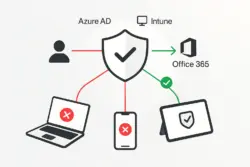


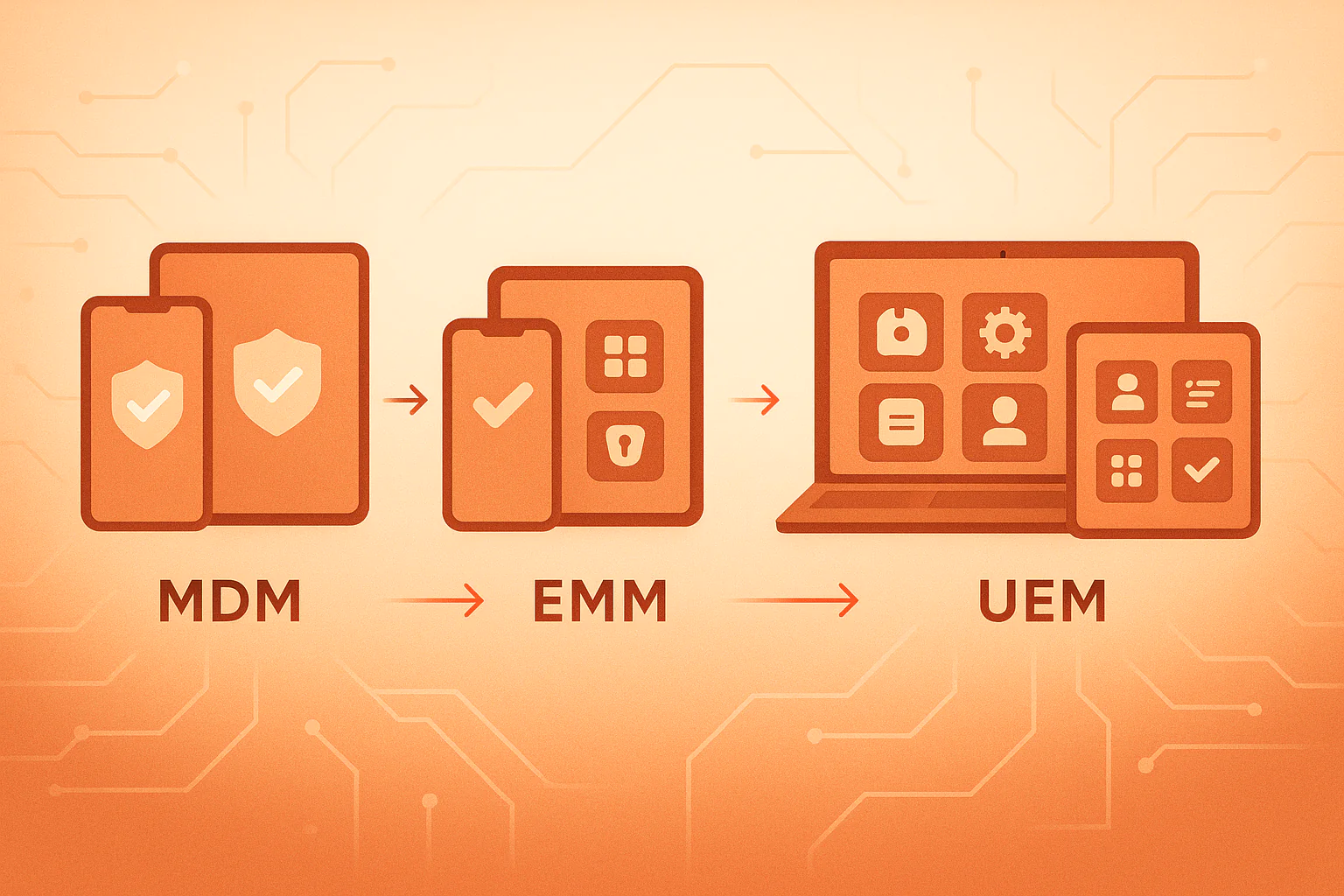
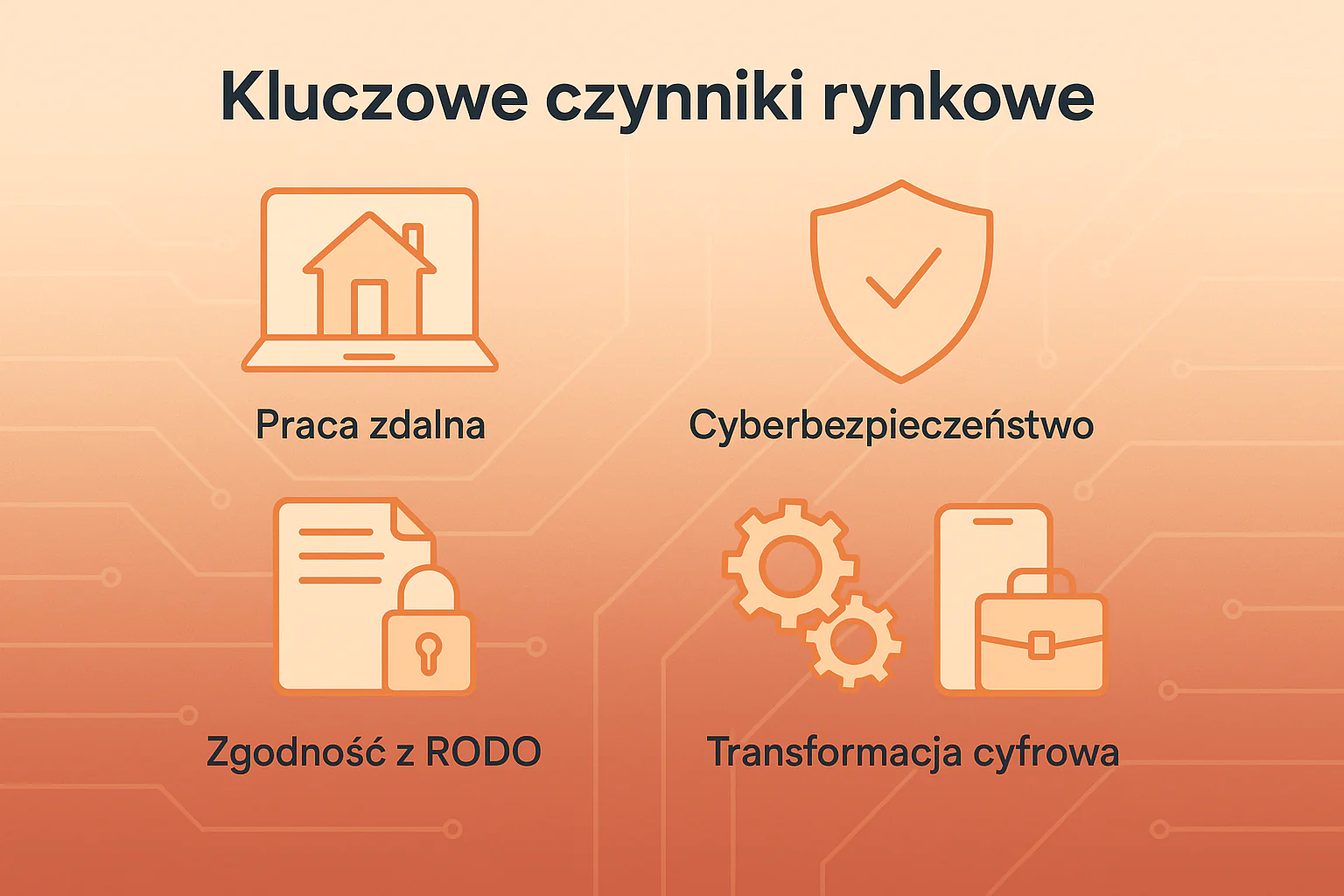
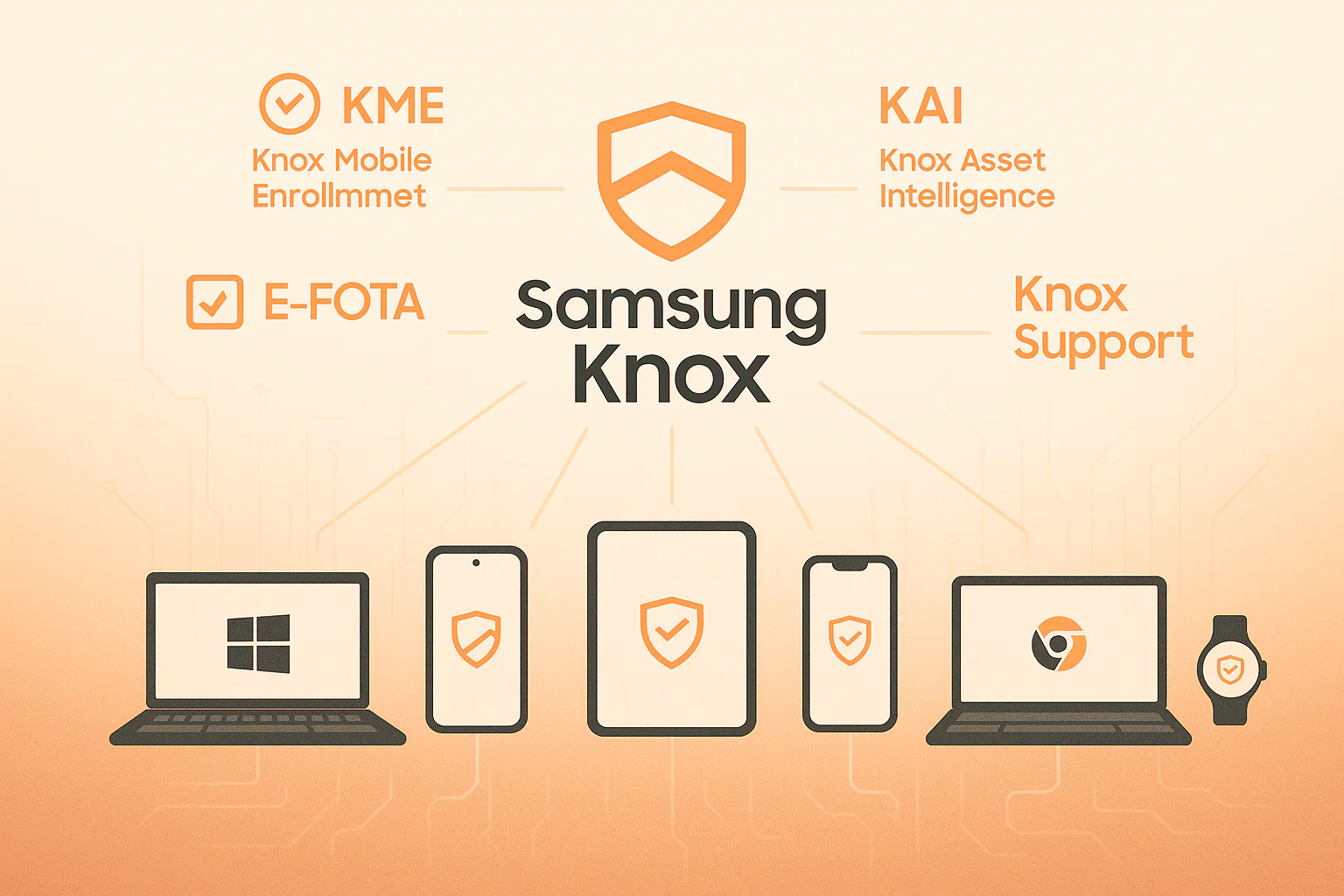
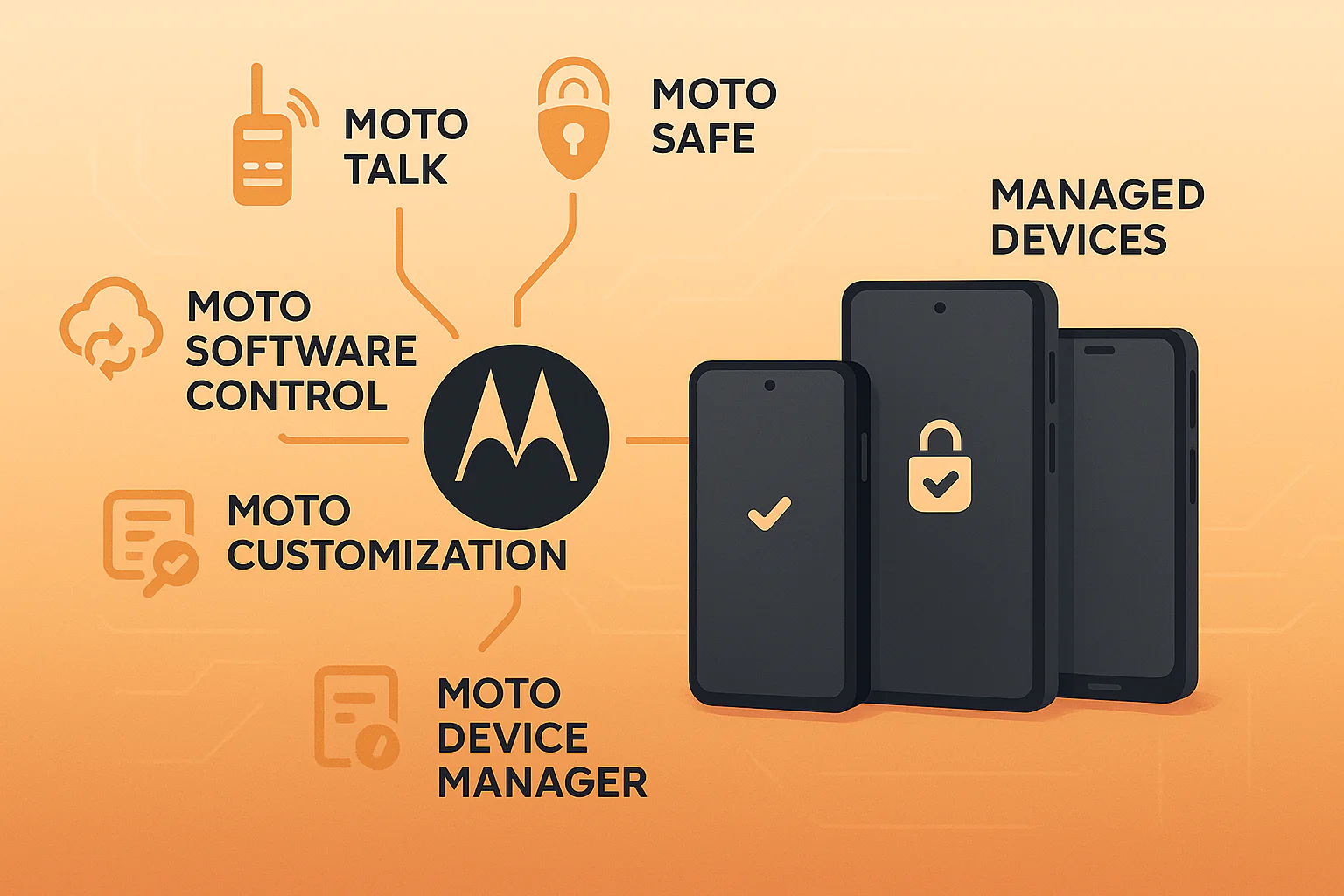
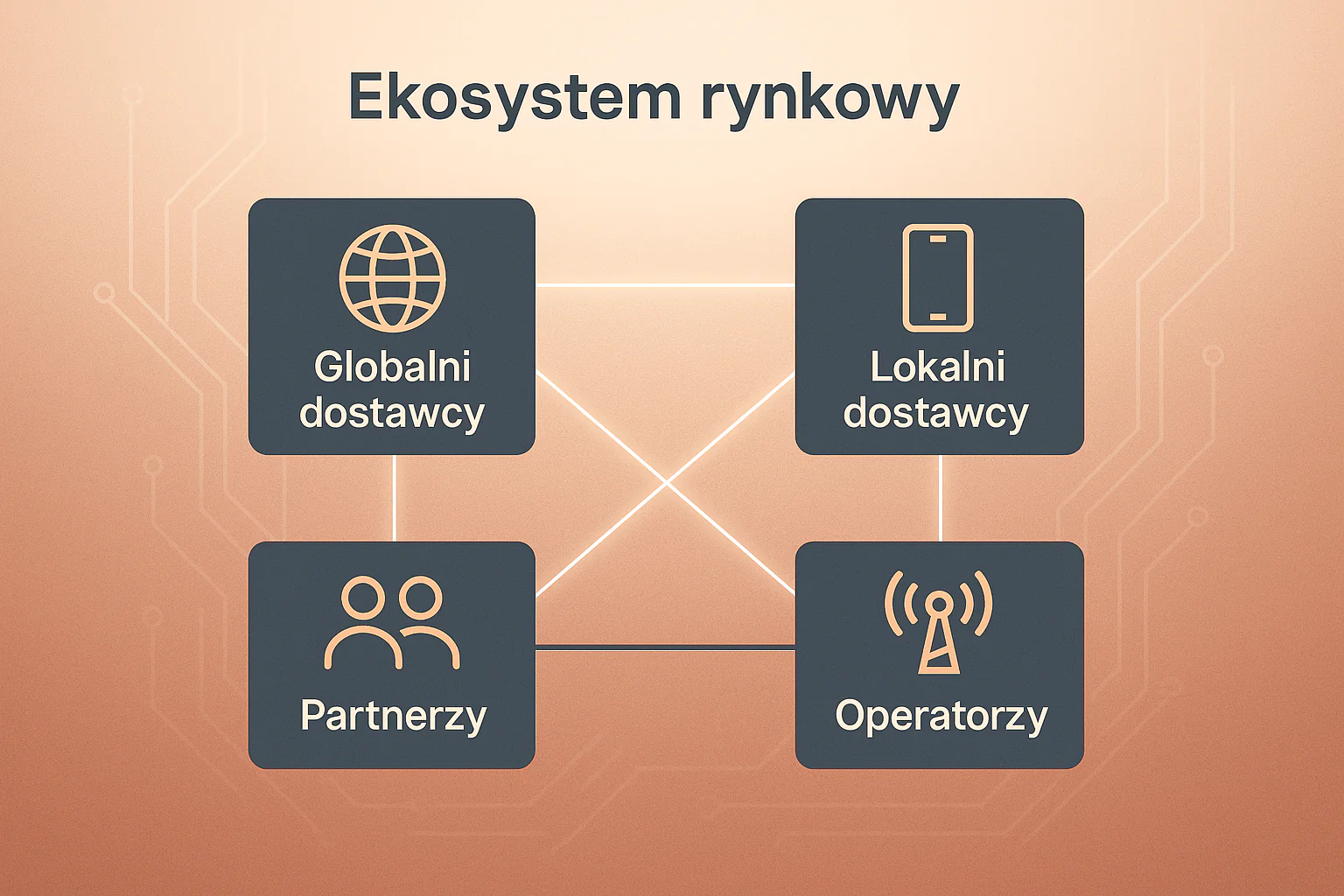
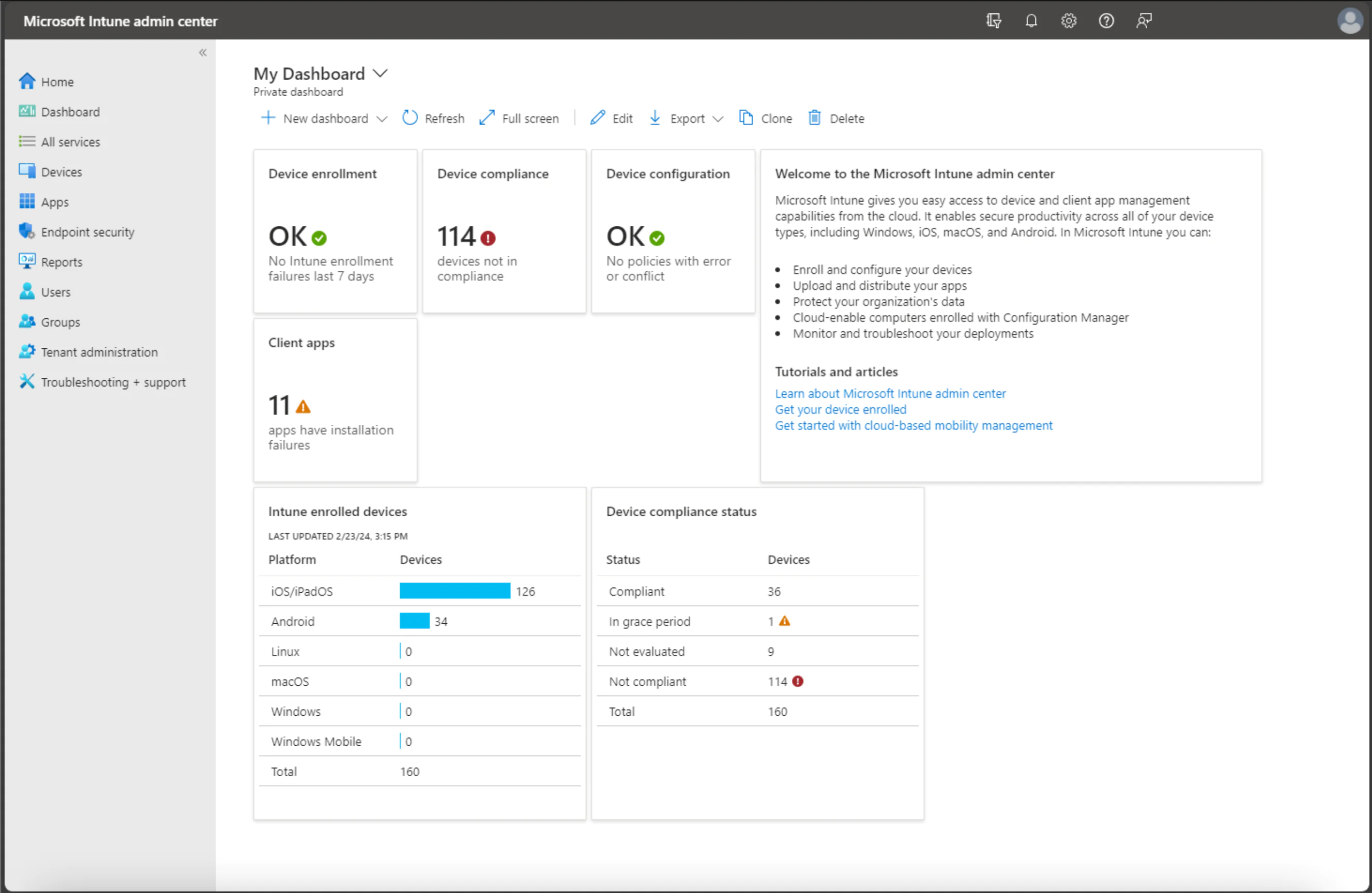
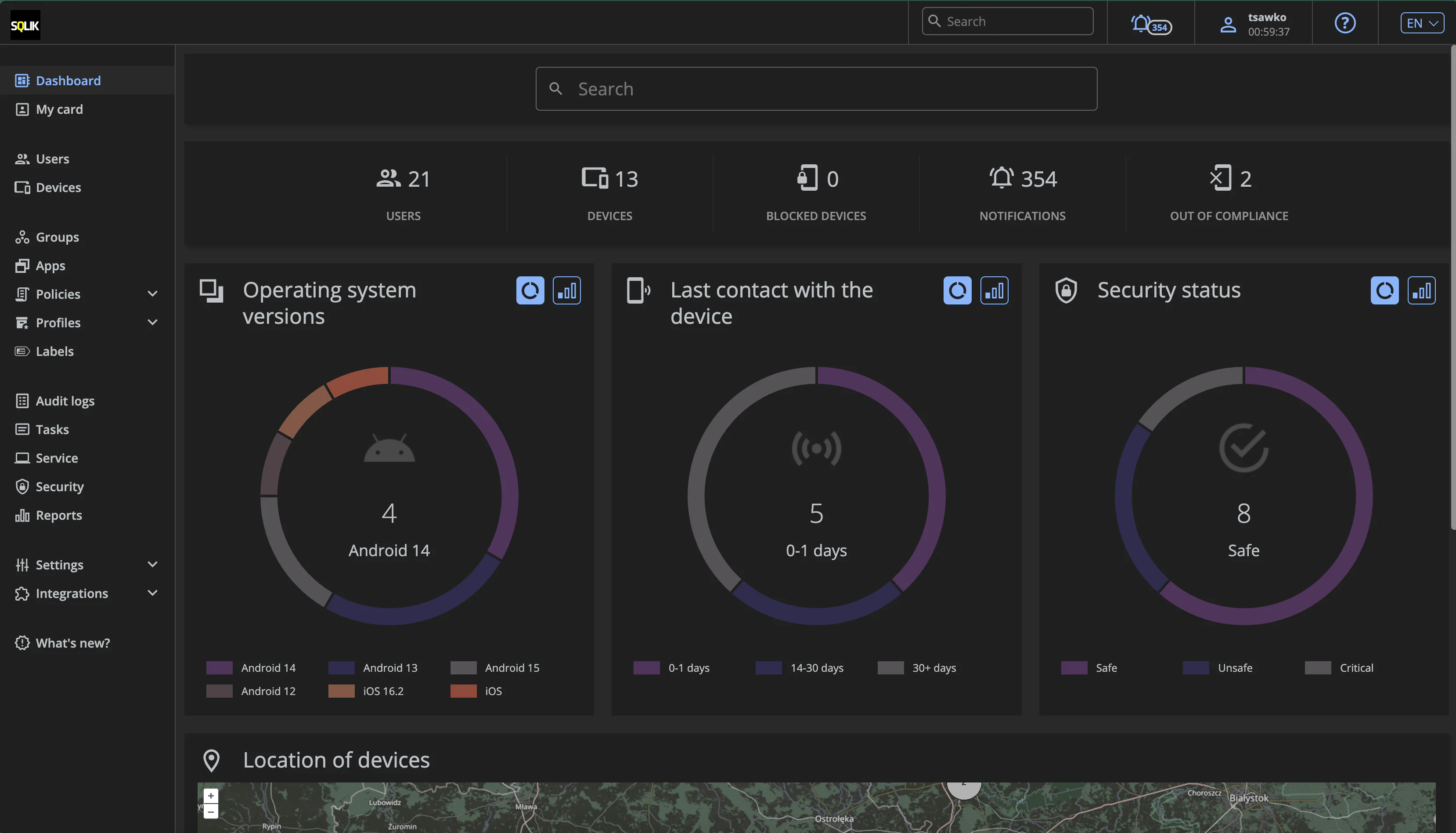
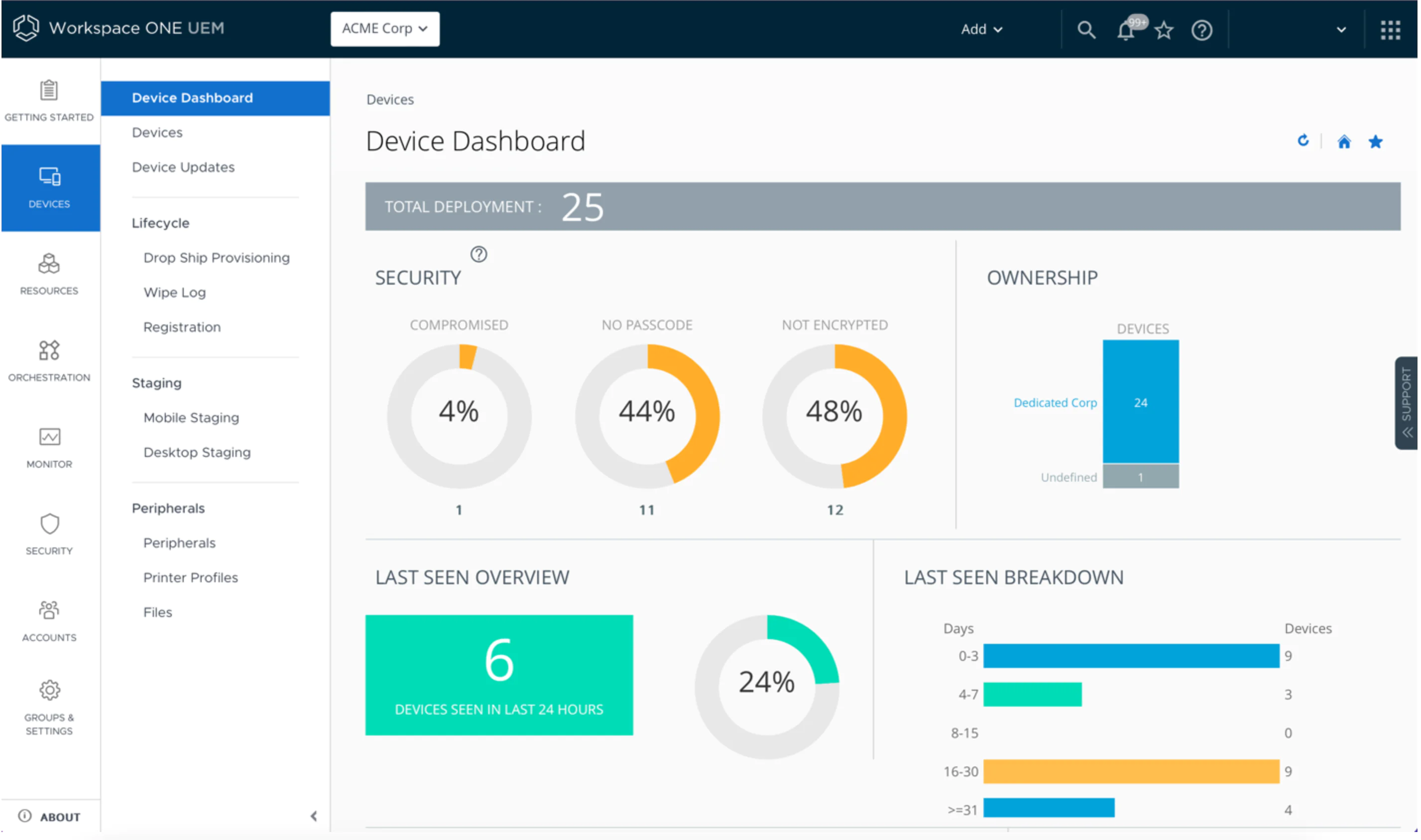
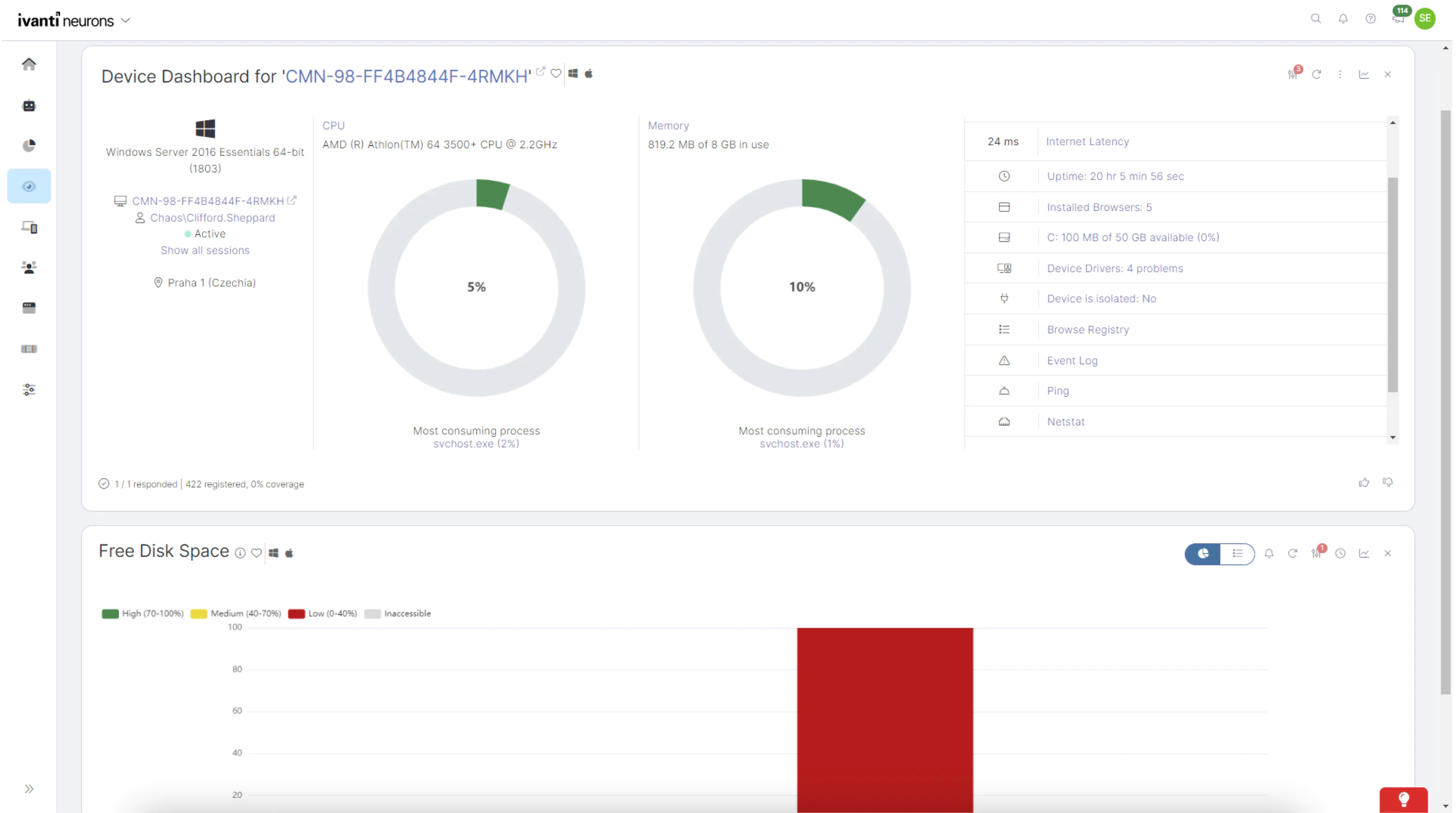
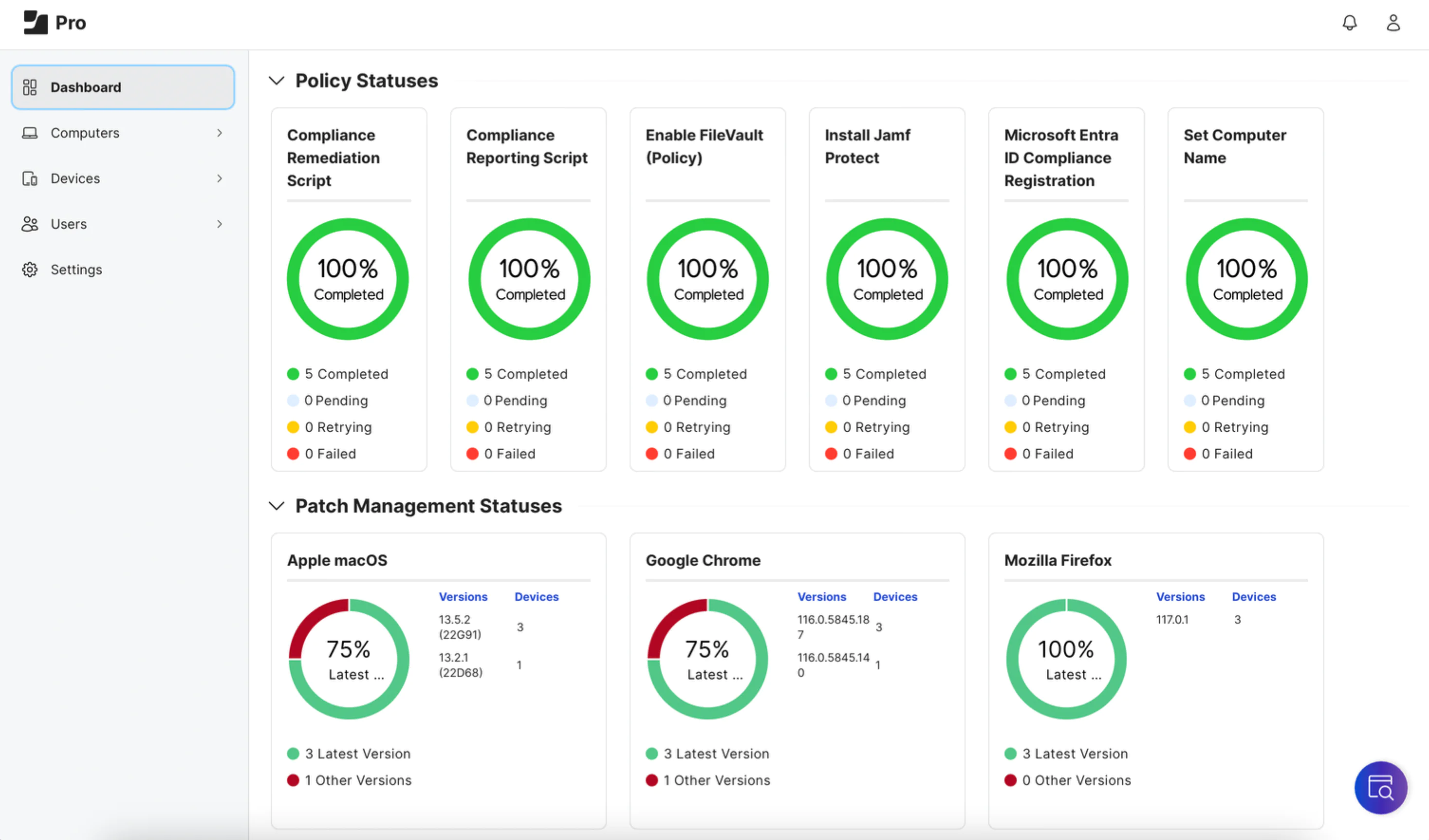
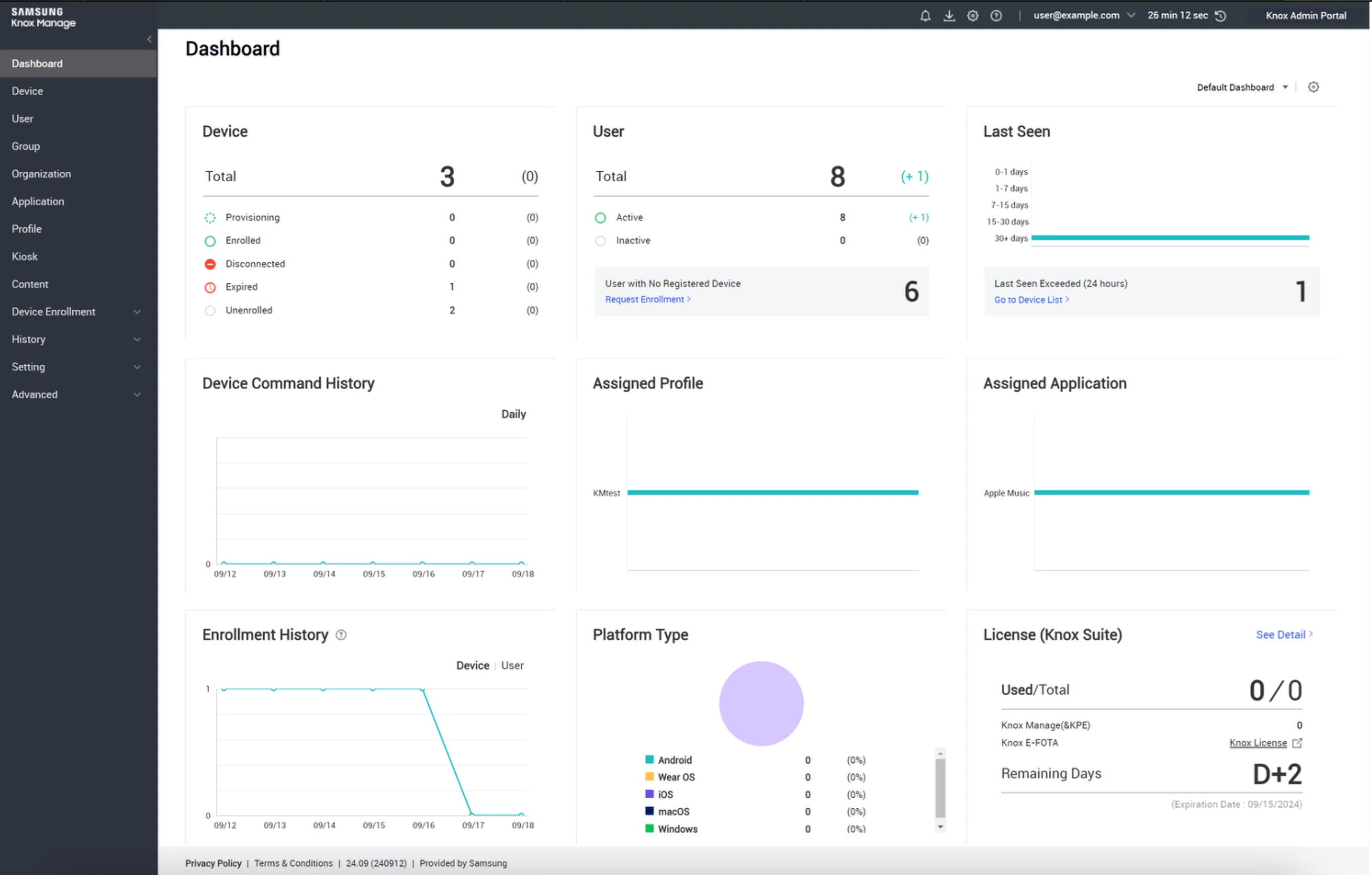
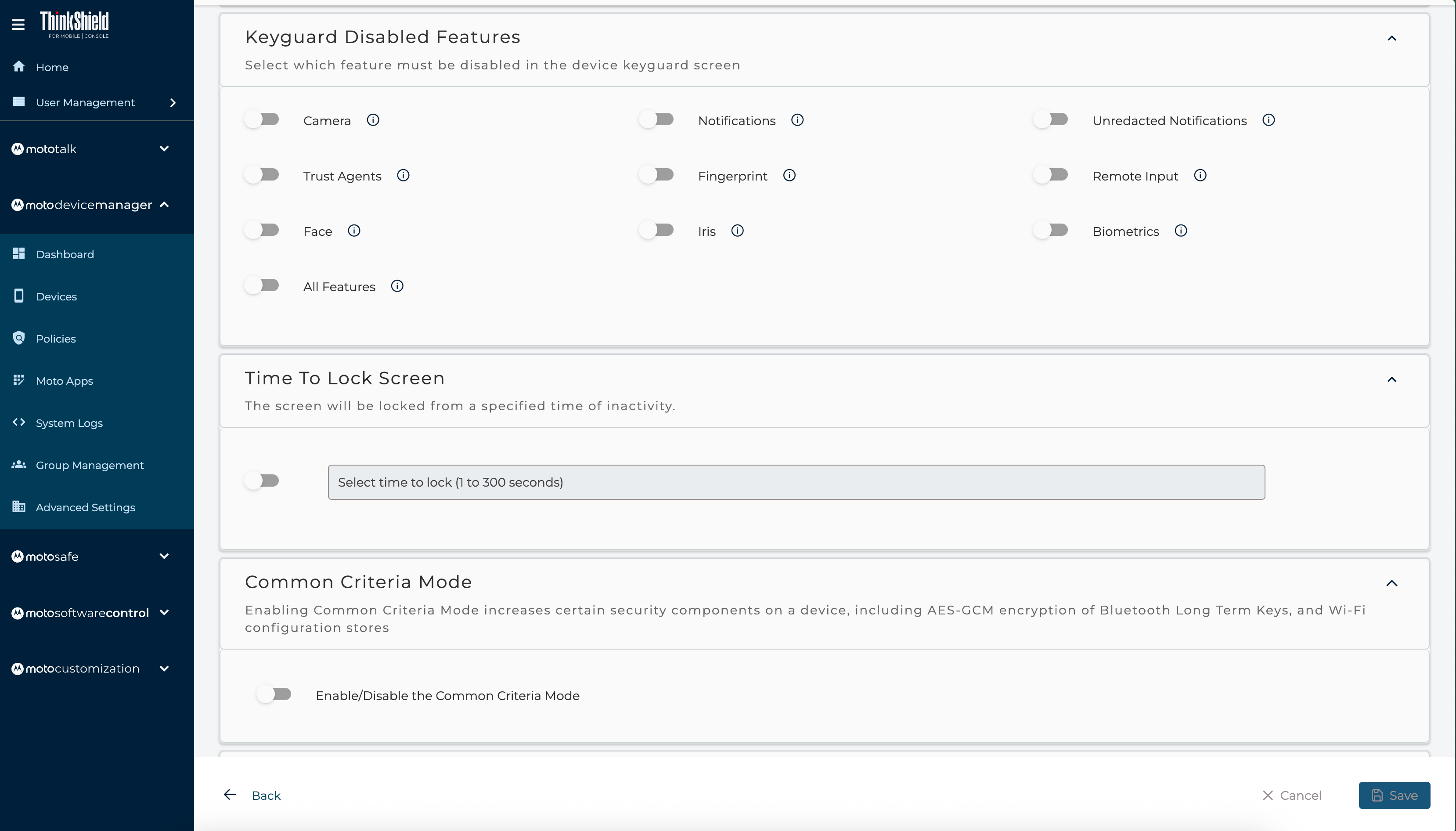
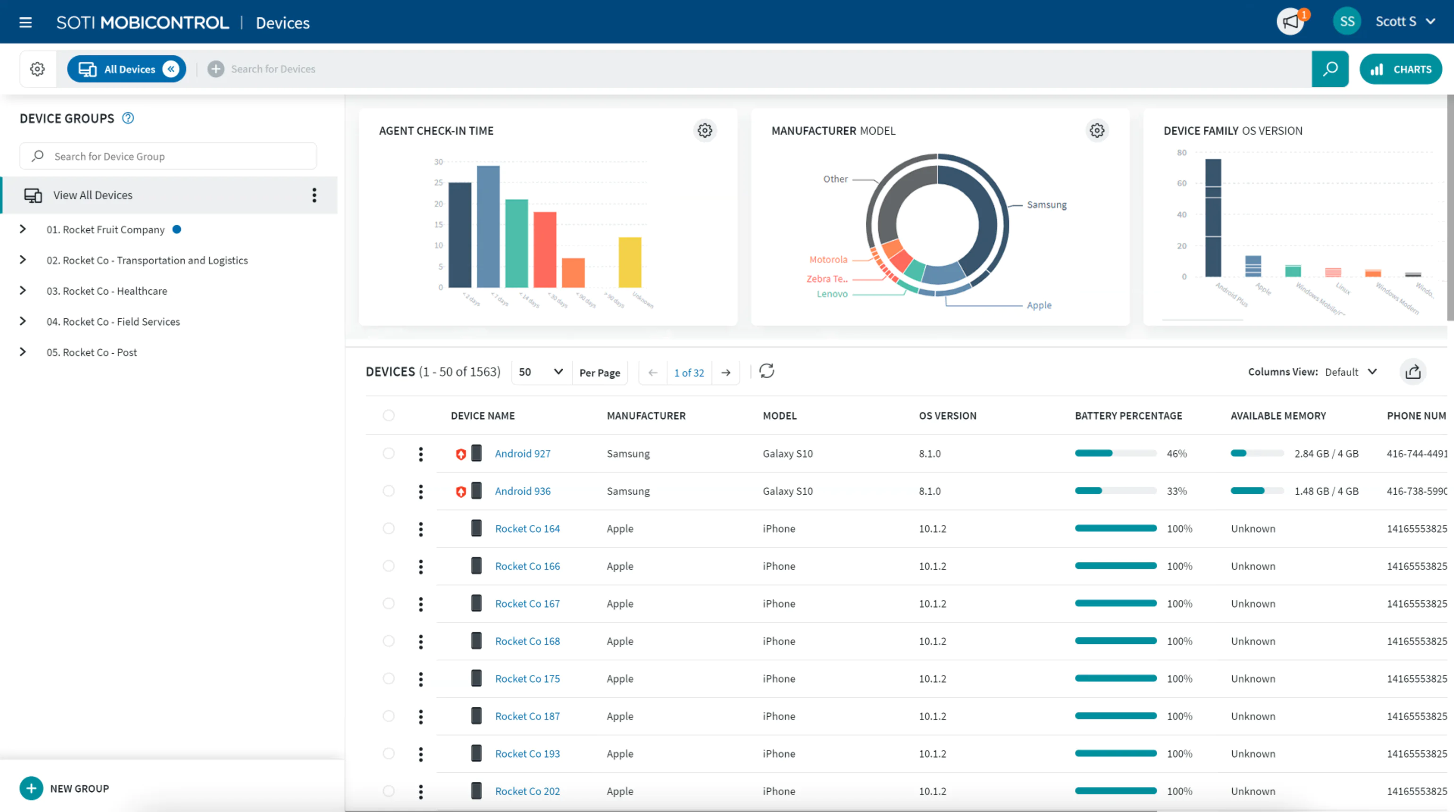
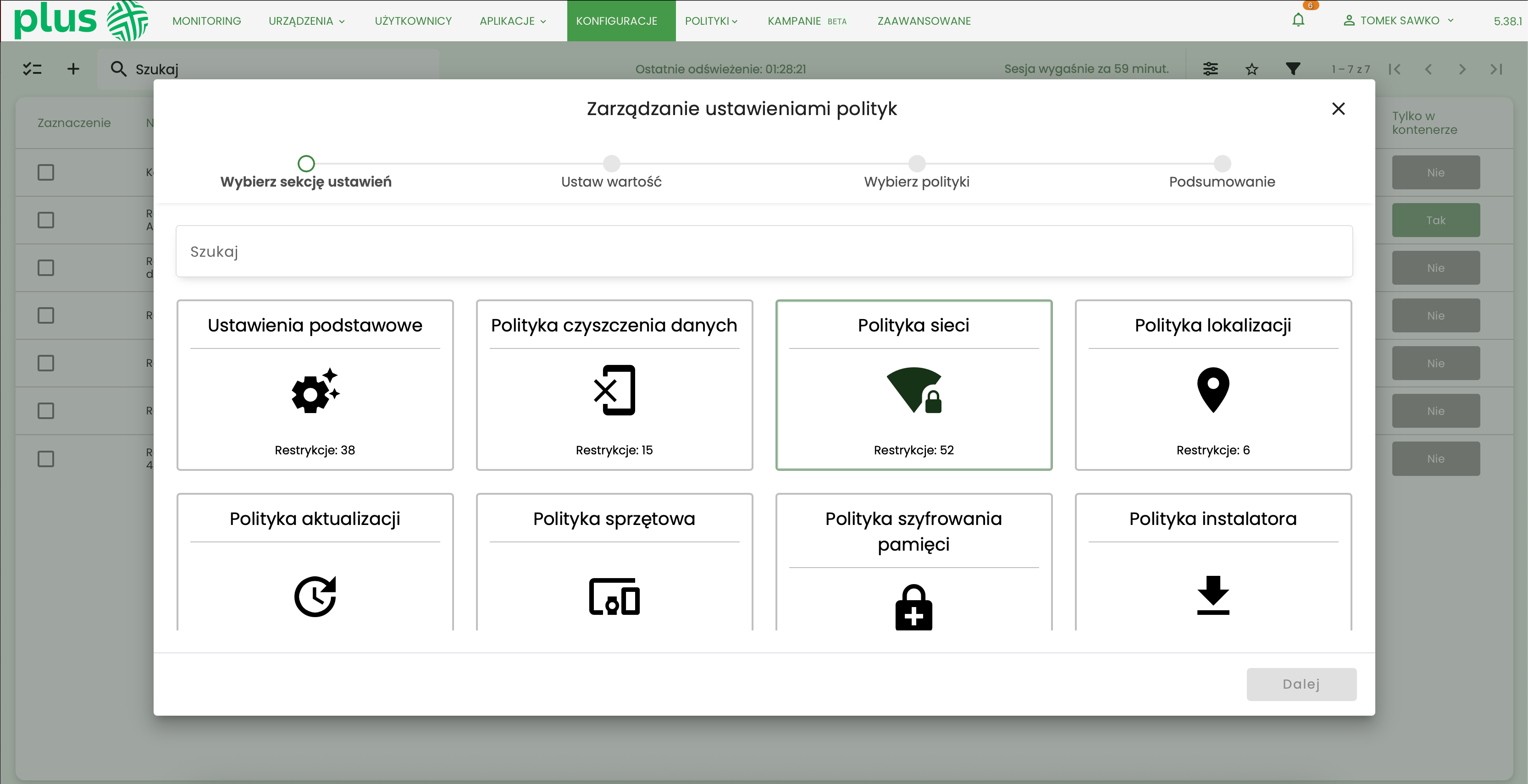
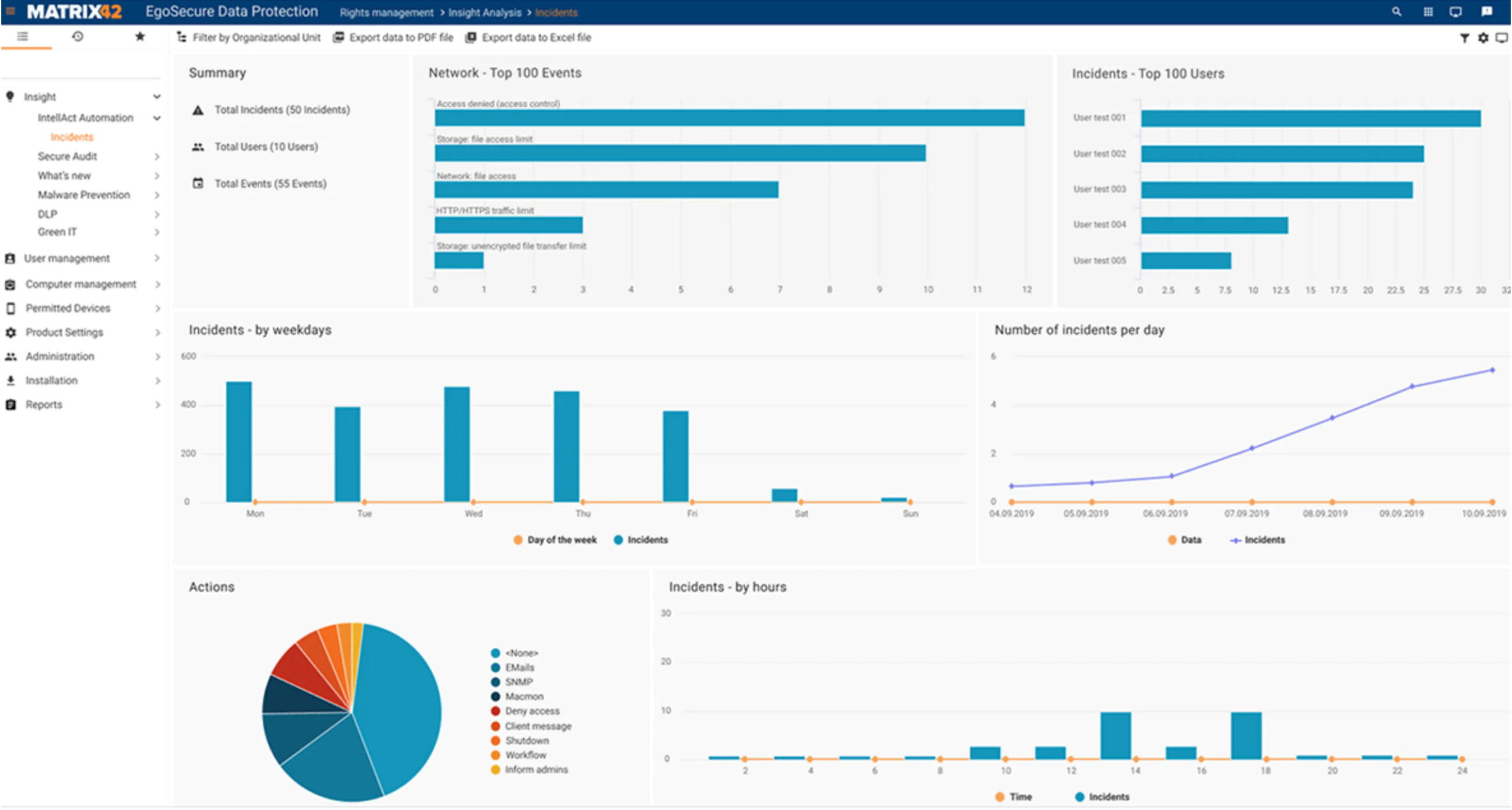
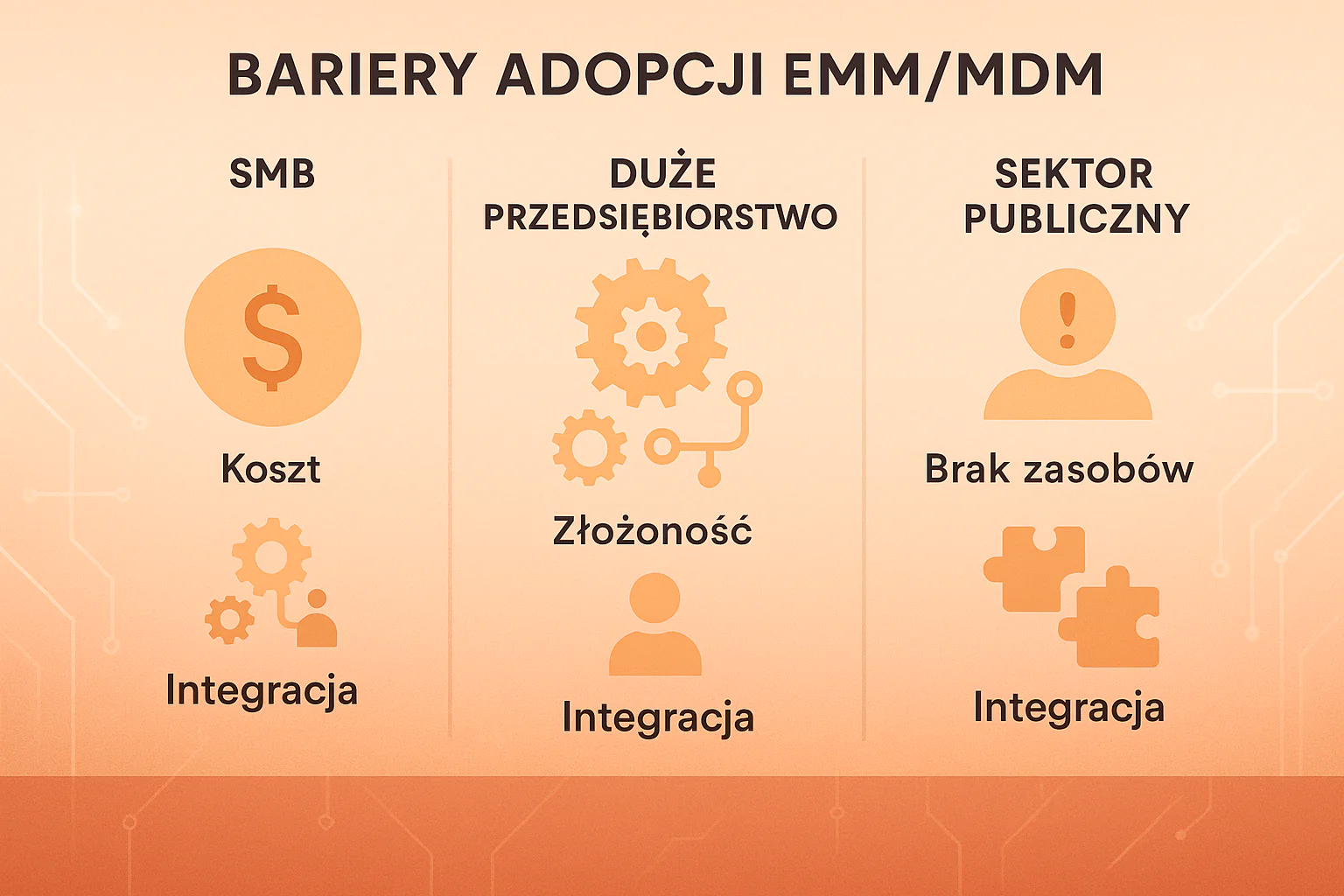
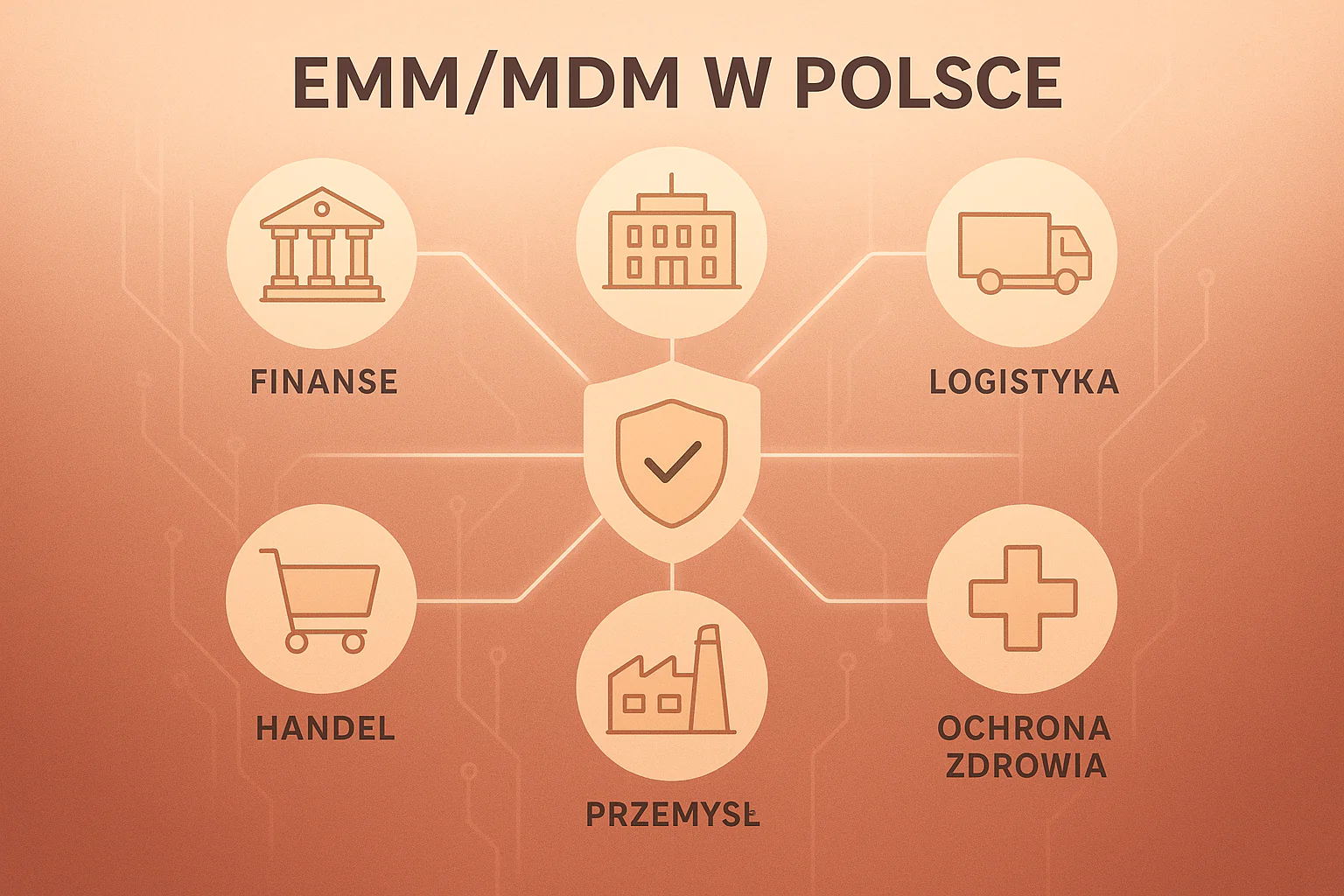
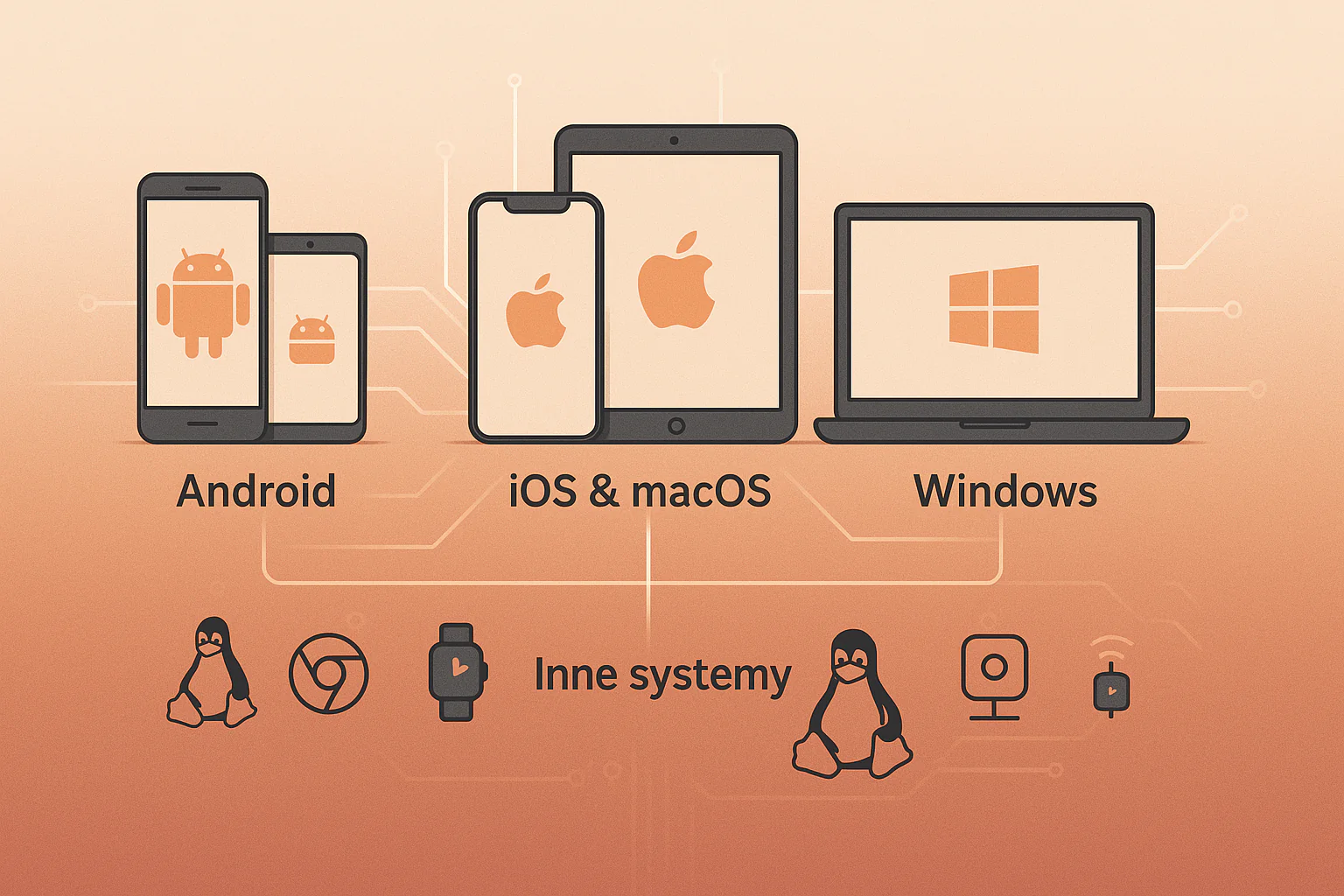
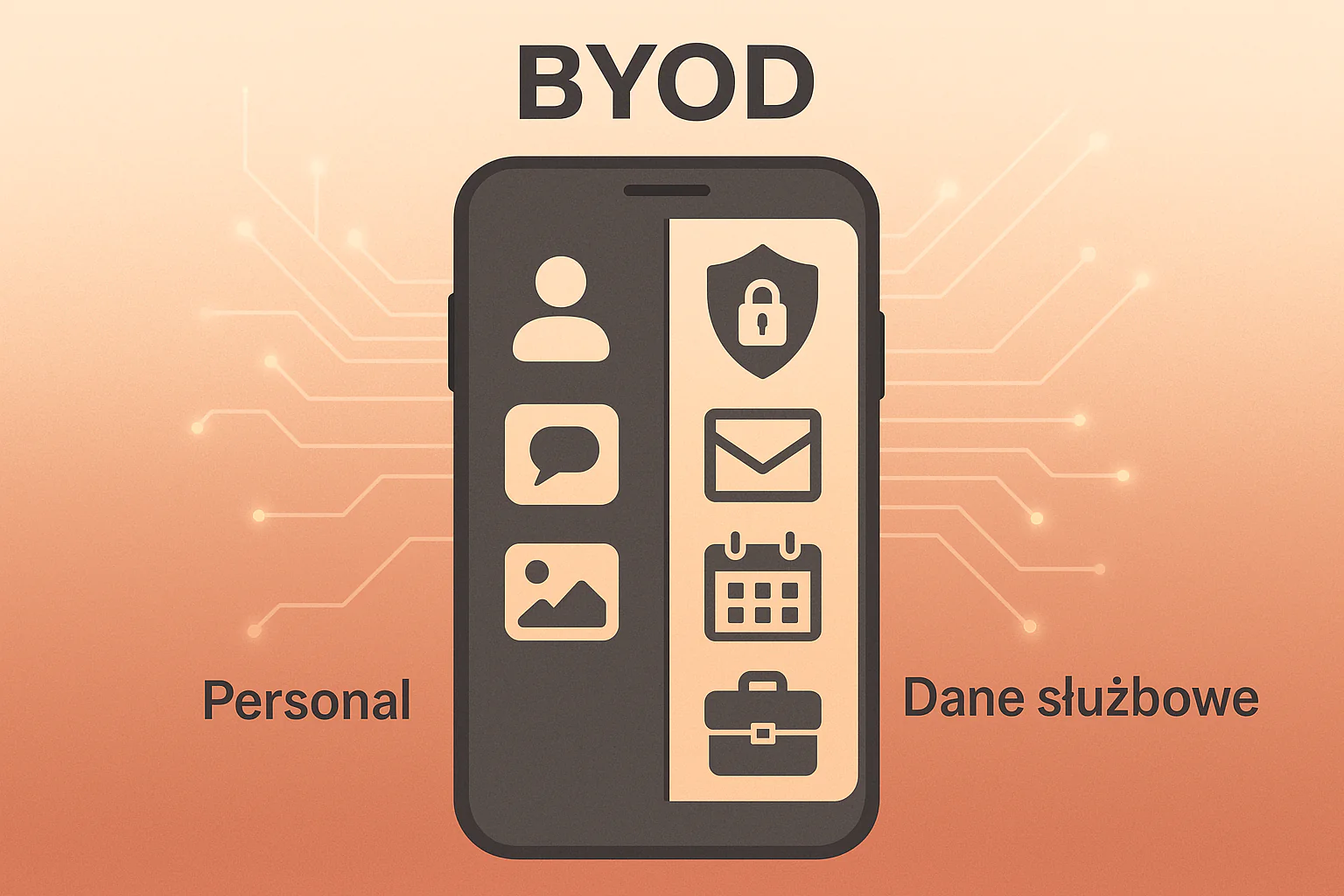
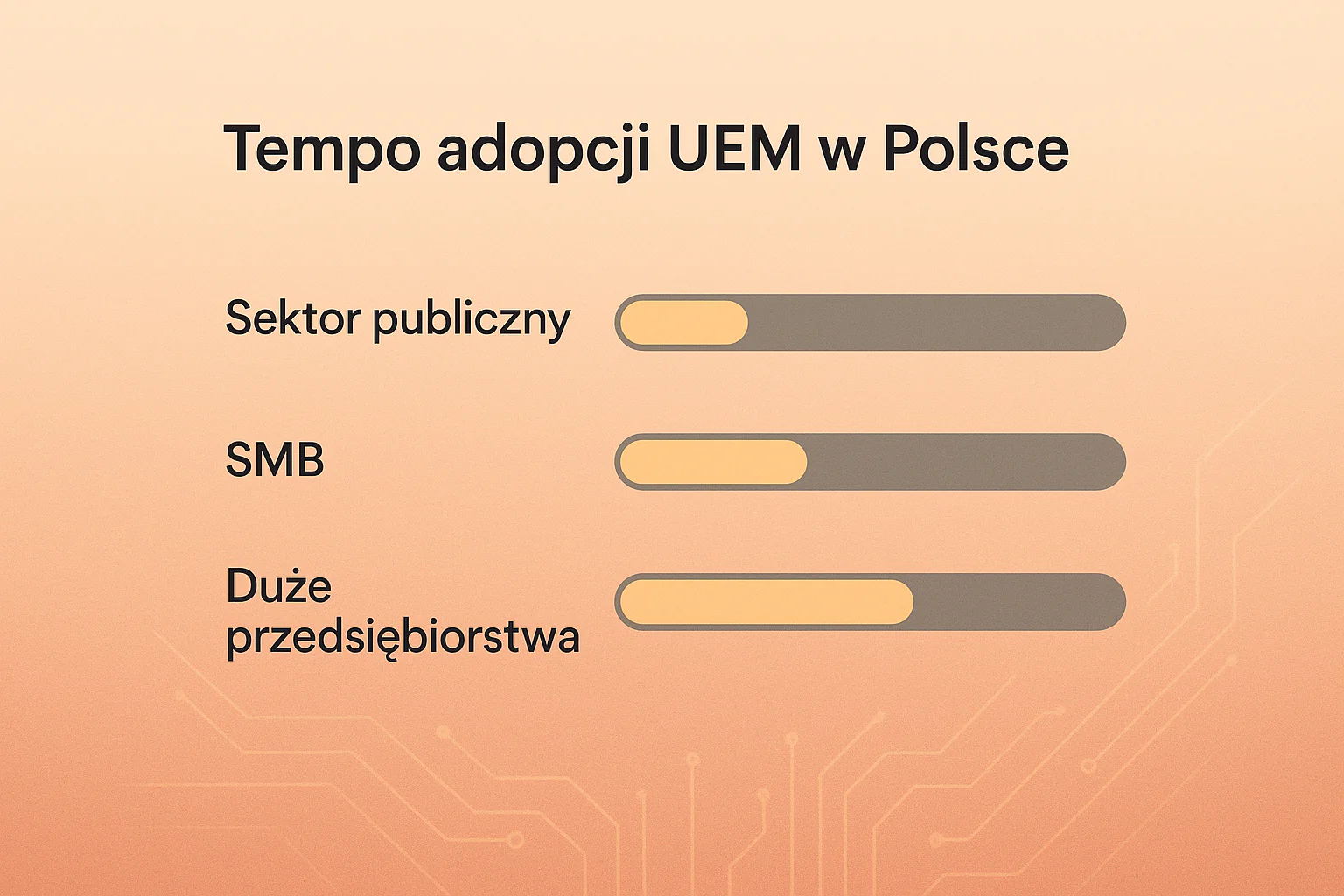
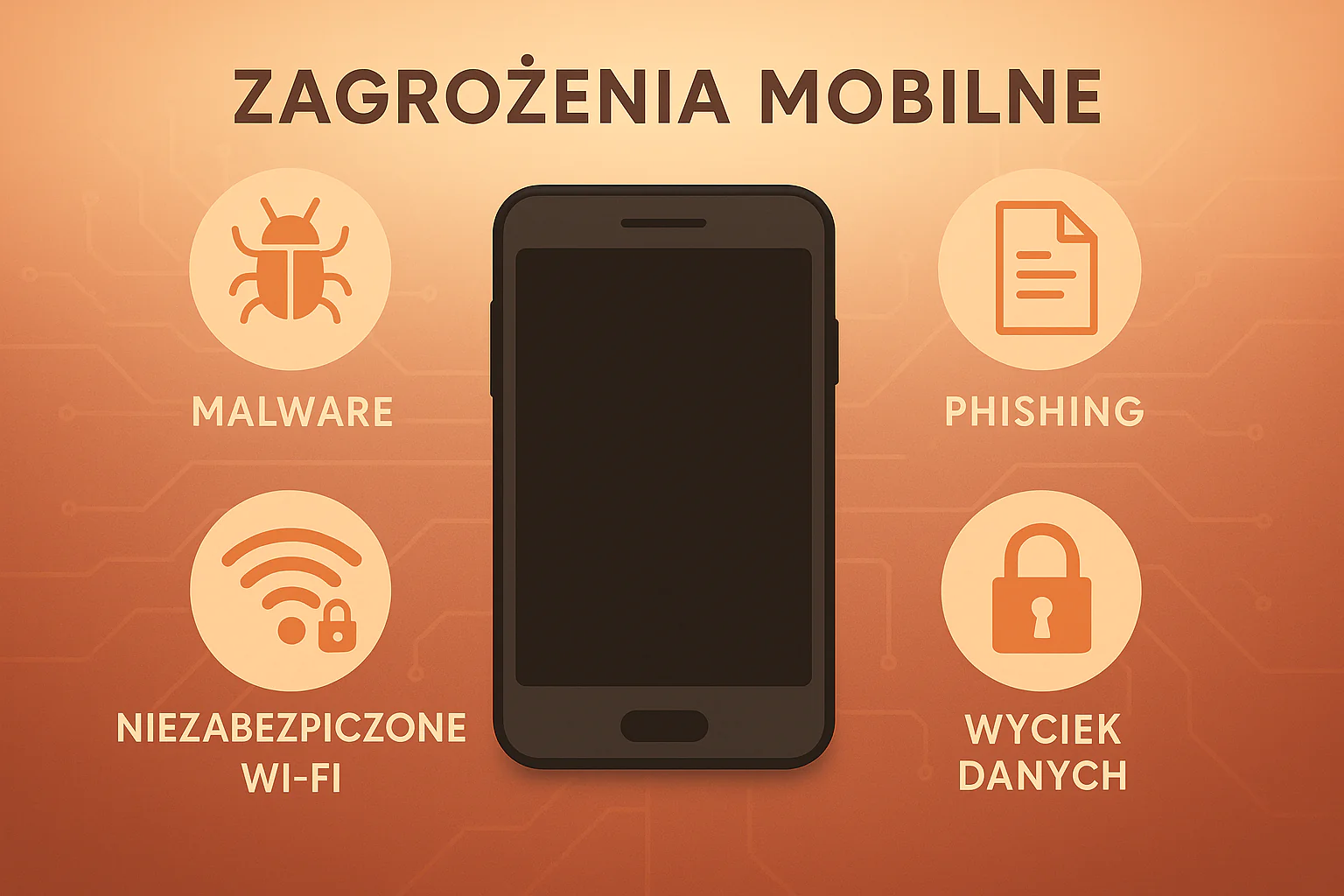
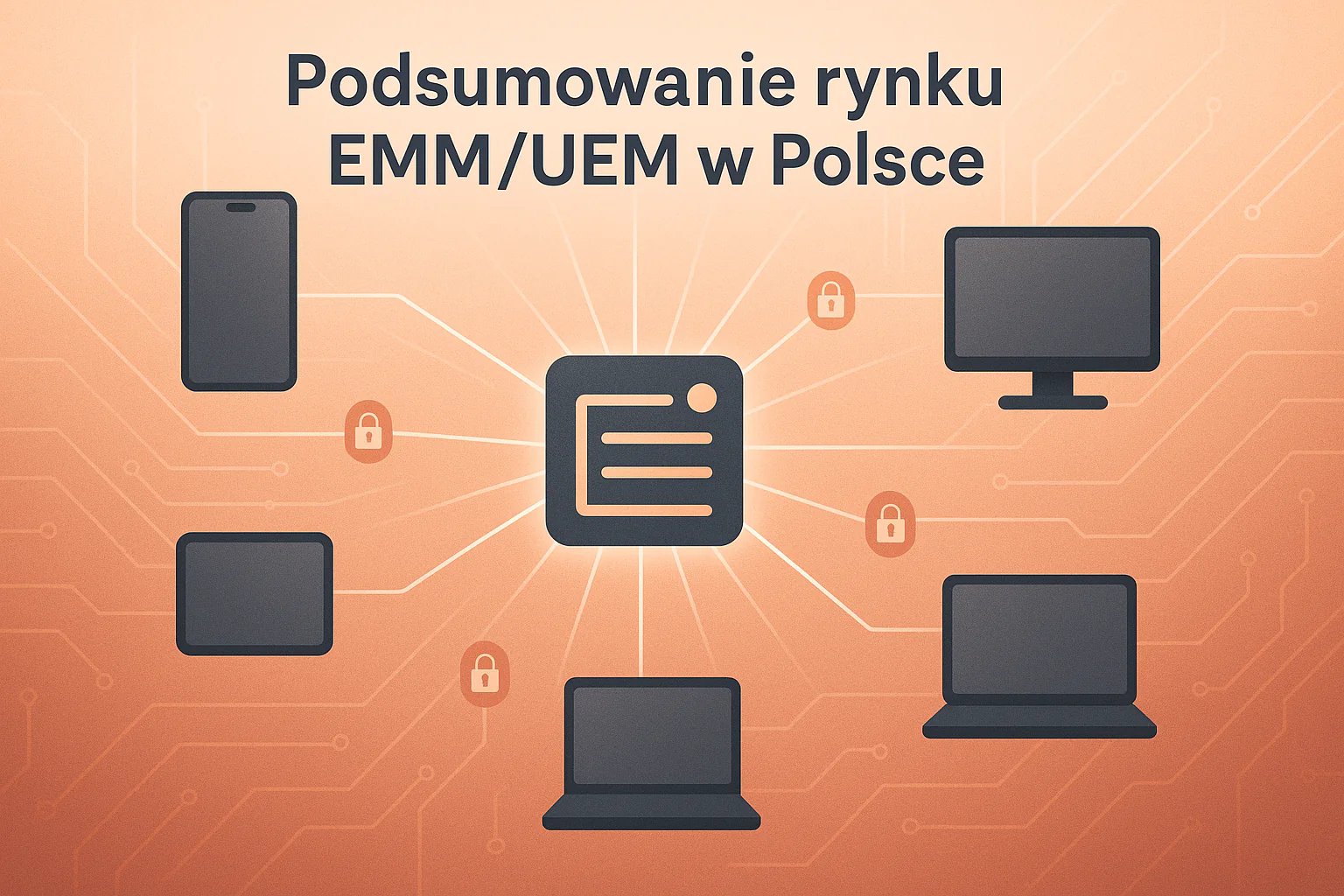



 Follow.it